
As I unfurled the vibrant colors of fresh vegetables, the kitchen filled with the irresistible aroma of sizzling goodness. Today, I’m thrilled to share my recipe for Korean Vegetable Pancakes, or Yachaejeon, a delightful dish that brings a bit of Korean flair right to your dining table. These crispy, golden pancakes are not only easy to whip up but also a fantastic way to sneak in all those great veggies—we’re talking about a snack that’s as nourishing as it is satisfying! Plus, they can easily be tailored to fit a vegan or gluten-free diet, making them a versatile staple for any home cook. Ready to dive into a tasty culinary adventure? Let’s get pancake flipping!
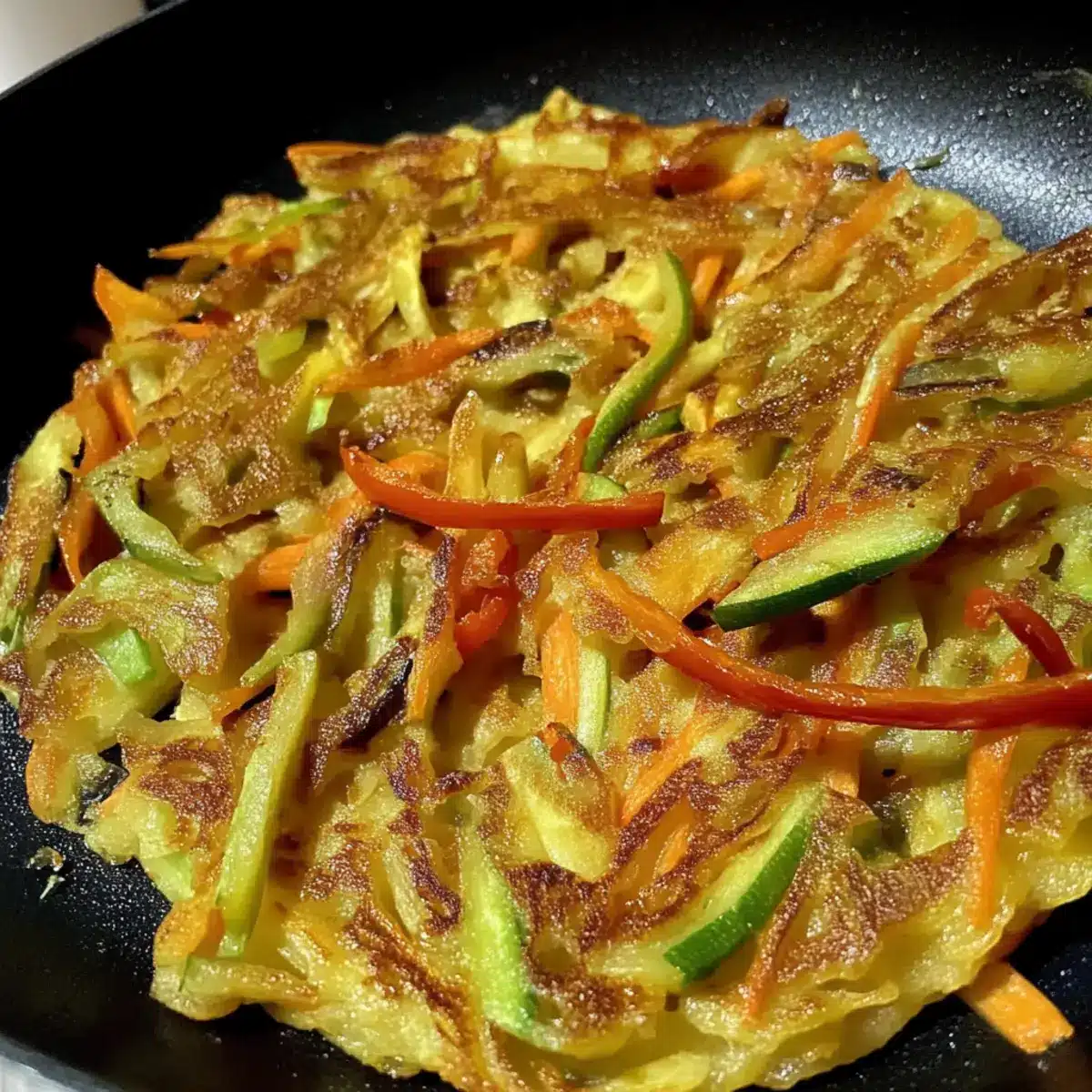
Why Are Korean Vegetable Pancakes Irresistible?
Crispy Texture: These pancakes boast a delightful crunch that contrasts perfectly with the tender vegetables inside.
Vibrant Colors: A feast for the eyes, the mix of fresh veggies creates a stunning presentation, sure to impress family and friends.
Quick to Make: With simple ingredients and straightforward steps, you’ll have a delicious meal on the table in no time!
Versatile Options: Feel free to experiment with seasonal vegetables or even a touch of kimchi for added flavor. They pair beautifully with a side of Cheese Oven Pancakes if you want more breakfast ideas!
Healthy Choice: Packed with nutrients and around 203 calories per pancake, you’re indulging without the guilt.
Crowd Pleaser: Whether as a snack, side dish, or party appetizer, these pancakes are sure to win over even the pickiest eaters.
Korean Vegetable Pancakes Ingredients
-
For the Batter
• Flour – Provides structure; you can substitute with a gluten-free flour blend for a gluten-free option.
• Cornstarch – Ensures a light and crispy texture; while it can’t be directly substituted, you can omit it for a denser pancake.
• Water – Hydrates the batter to the right consistency; adjust as needed to achieve a pourable batter.
• Turmeric – Adds a warm color and subtle flavor; it’s optional but recommended for visual appeal.
• Salt – Enhances flavor; adjustable to taste.
• Baking Powder – A crucial leavening agent for lightness; ensure it’s fresh for the best results. -
For the Vegetables
• Green Onions – Adds freshness and a mild onion flavor; can substitute with chives if desired.
• Red Onion – Provides sweetness and beautiful color; feel free to use yellow onion or shallots if you prefer.
• Carrot – Introduces natural sweetness and crunch; swap in other seasonal vegetables as well.
• Red Pepper – Contributes vibrant color and mild sweetness; any bell pepper variety works nicely.
• Cabbage – Adds texture and a slight crunch; Napa or savoy cabbage are great alternatives.
• Hot Pepper – Adds a kick; omit for a milder dish or use chili paste for an exciting flavor twist. -
For Cooking
• Oil for Frying – Essential for achieving crispiness; neutral oils are best, but you can also use sesame oil for added flavor.
Dive into this vibrant veggie delight—your taste buds will thank you!
Step‑by‑Step Instructions for Korean Vegetable Pancakes
Step 1: Prepare the Vegetables
Begin by washing and finely slicing all your vegetables, which include green onions, red onions, carrots, red pepper, and cabbage. Aim for uniform pieces to ensure even cooking and a lovely texture in your Korean Vegetable Pancakes. Once prepped, set them aside and let their vibrant colors inspire your cooking adventure!
Step 2: Make the Batter
In a mixing bowl, combine flour, cornstarch, turmeric, salt, and baking powder. Gradually whisk in water until the batter achieves a smooth, pourable consistency. You want the mix to be thick enough to hold the vegetables but not too heavy. This batter will be the foundation of your delicious Korean Vegetable Pancakes, so take a moment to ensure it’s well blended.
Step 3: Mix Vegetables
Fold all the prepared vegetables into the batter, ensuring they are evenly coated. The colorful mix adds both flavor and visual appeal to the Korean Vegetable Pancakes, creating an eye-catching dish. Use a spatula to gently combine the ingredients—this helps maintain their texture while allowing the batter to hold everything together.
Step 4: Prepare Dipping Sauce
In a small bowl, whisk together soy sauce, rice vinegar, sesame oil, sesame seeds, and a pinch of chili flakes to create a delightful dipping sauce. This simple blend of flavors will complement the savory notes of your Korean Vegetable Pancakes perfectly, enhancing the overall dining experience. Set it aside to allow the flavors to meld as you cook.
Step 5: Heat Pan
Place a non-stick skillet over medium heat and add a splash of oil to coat the surface. Allow the oil to heat until it shimmers—this is the perfect indication that it’s ready for frying. The right temperature ensures your pancakes form a crispy golden crust while keeping the interiors tender and flavorful.
Step 6: Cook Pancakes
Pour a small amount of the batter into the heated pan, spreading it into a thin layer. Cook each pancake for about 3-4 minutes or until golden brown on one side. Carefully flip the pancake using a spatula and cook for another 2-3 minutes on the other side until crispy and golden. Repeat this process for the remaining batter, adding more oil as needed.
Step 7: Serve
Once cooked, transfer the crispy Korean Vegetable Pancakes to a plate lined with paper towels to absorb excess oil. Serve them warm with your prepared dipping sauce alongside. These delightful little pancakes make for an irresistible snack, side dish, or appetizer that’s sure to be a hit at your next gathering!
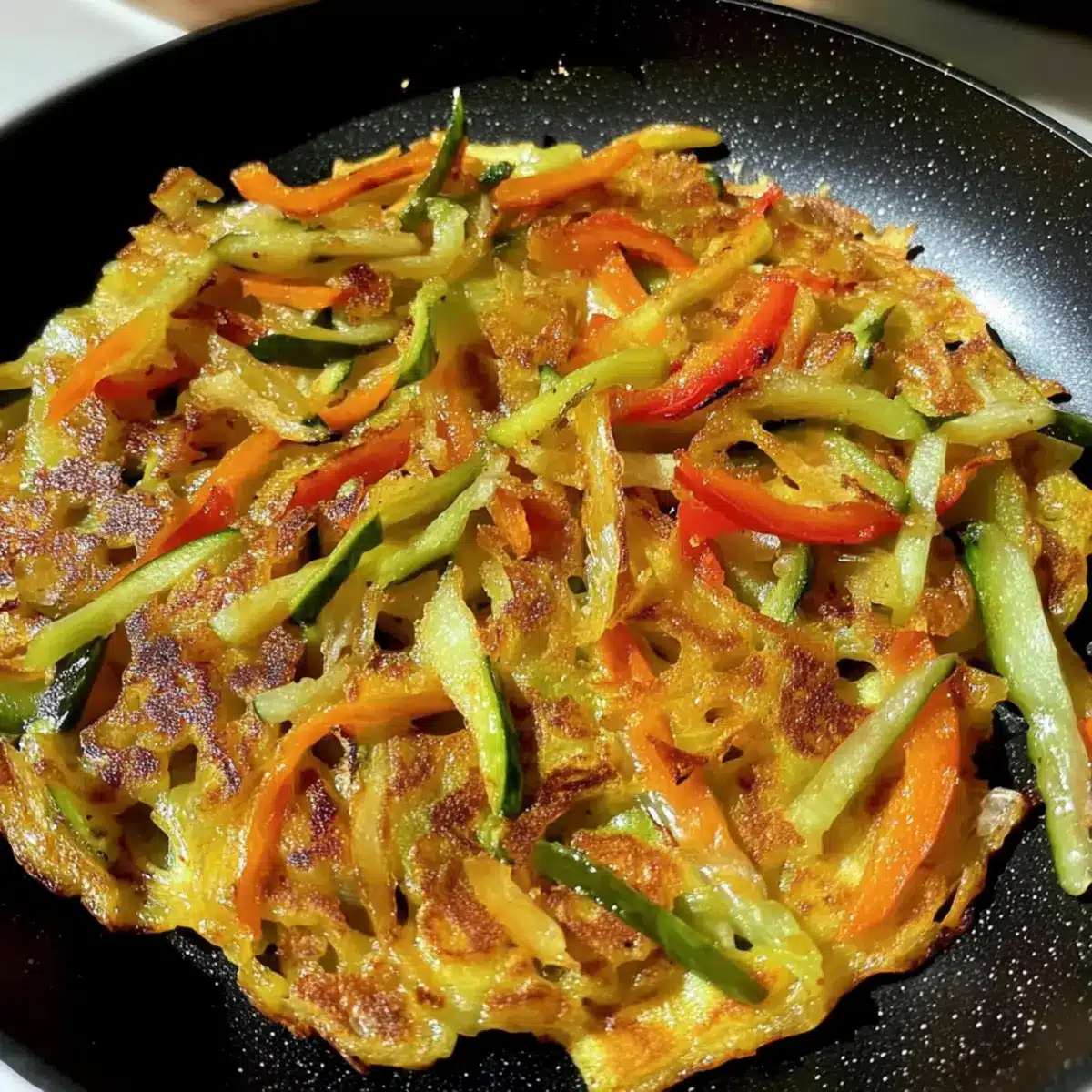
Variations & Substitutions for Korean Vegetable Pancakes
Feel free to explore these delightful variations that can add a personal touch to your Korean Vegetable Pancakes!
-
Gluten-Free: Use a gluten-free flour blend instead of regular flour for a gluten-free option. This ensures everyone can enjoy these delicious pancakes without worry.
-
Spicy Kick: Add diced jalapeños or a pinch of cayenne pepper for a spicy twist. It’s a fun way to amp up the heat and excite your taste buds!
-
Herb Infusion: Mix in chopped fresh herbs like cilantro or parsley for added flavor and freshness. The vibrant green herbs not only enhance taste but also add even more color to your pancakes.
-
Flavor Boost: Incorporate a dash of soy sauce into the batter for an umami hit. This small addition deepens the savory flavor profile and makes the pancakes even more irresistible.
-
Vegetable Swaps: Try different vegetables like shredded zucchini or grated sweet potatoes instead of the traditional mix. These alternatives offer new textures and a slight sweetness that complements the other flavors perfectly.
-
Creamy Dipping Sauce: Mix mayonnaise with a touch of sriracha for a creamy and spicy dip that pairs wonderfully with the crispy pancakes. It’s a fantastic twist that balances the savory goodness!
-
Cheesy Option: For a non-vegan twist, sprinkle some shredded cheese into the batter for a cheesy delight. The melting cheese adds a rich creaminess that’s hard to resist!
-
Delectable Add-ins: Consider folding in cooked quinoa or chopped nuts. This adds a delightful crunch and an extra layer of nutrition, making the dish heartier and more filling.
These Korean Vegetable Pancakes are wonderfully versatile! If you’re seeking more delightful, veggie-packed dishes, don’t forget to check out my Roasted Autumn Vegetable and Cream Winter Vegetable recipes for additional inspiration!
Expert Tips for Korean Vegetable Pancakes
- Thin Batter: Spread the batter thinly for maximum crispiness; thick batter leads to soggy pancakes that don’t cook evenly.
- Cook in Batches: Keep pancakes small and avoid overcrowding the pan. This allows each pancake to brown perfectly without steaming.
- Fresh Veggies: Use fresh, crunchy vegetables for the best texture and flavor; wilted vegetables can ruin the pancake experience.
- Monitor Heat: Adjust the heat as you cook; too high can burn the pancakes while too low will make them greasy.
- Experiment with Ingredients: Have fun swapping in seasonal vegetables or even adding a bit of kimchi to elevate your Korean Vegetable Pancakes!
Make Ahead Options
These Crispy Korean Vegetable Pancakes (Yachaejeon) are perfect for meal prep, allowing you to save time on busy weeknights! You can prepare the batter and chop the vegetables up to 24 hours in advance. Simply mix the flour, cornstarch, turmeric, salt, and baking powder in the batter while keeping the chopped veggies in separate containers. To maintain freshness, store the vegetables in an airtight container in the refrigerator. When you’re ready to serve, simply combine the batter and veggies, then cook them in a hot skillet until golden. This way, you’ll enjoy delicious, homemade pancakes that taste just as delightful while having more time to unwind!
Storage Tips for Korean Vegetable Pancakes
Fridge: Store leftover Korean Vegetable Pancakes in an airtight container for up to 2 days to maintain their crispiness.
Freezer: These pancakes can be frozen for up to 1 month. Place them in a single layer on a baking sheet to freeze, then transfer to a freezer bag to avoid sticking.
Reheating: For best results, reheat in a skillet over medium heat to restore their crunchy exterior. Avoid microwaving, as this can make them soggy.
Serving Tip: Serve pancakes warm, paired with your favorite dipping sauce for a delicious experience!
What to Serve with Crispy Korean Vegetable Pancakes?
As you savor the crispy goodness of these delightful pancakes, consider pairing them with complementary dishes to create a tantalizing meal experience.
-
Steamed Jasmine Rice: A fluffy side that soaks up the flavors of the dipping sauce, balancing the crispy texture of the pancakes.
-
Korean BBQ: The rich, smoky flavors of grilled meats or tofu add depth, providing a sumptuous contrast to the lightness of the pancakes.
-
Kimchi: This traditional fermented accompaniment brings vibrant heat and tanginess, enhancing each bite with a zing that perfectly complements the savory pancakes.
-
Cucumber Salad: A refreshing and crunchy side, this salad offers a cool contrast, acting as a palate cleanser between bites.
-
Miso Soup: Warm and comforting, miso soup adds a cozy touch to your meal, harmonizing beautifully with the taste of the pancakes.
-
Korean Dipping Sauces: Serve with a variety of sauces such as gochujang or sesame dressing for added flavor dimensions and an interactive dining experience.
-
Iced Green Tea: A calming drink that helps cleanse the palate, bringing a soothing balance to the vibrant tastes on your plate.
Exploring these pairings will elevate your meal, making every bite of your Korean Vegetable Pancakes even more memorable!
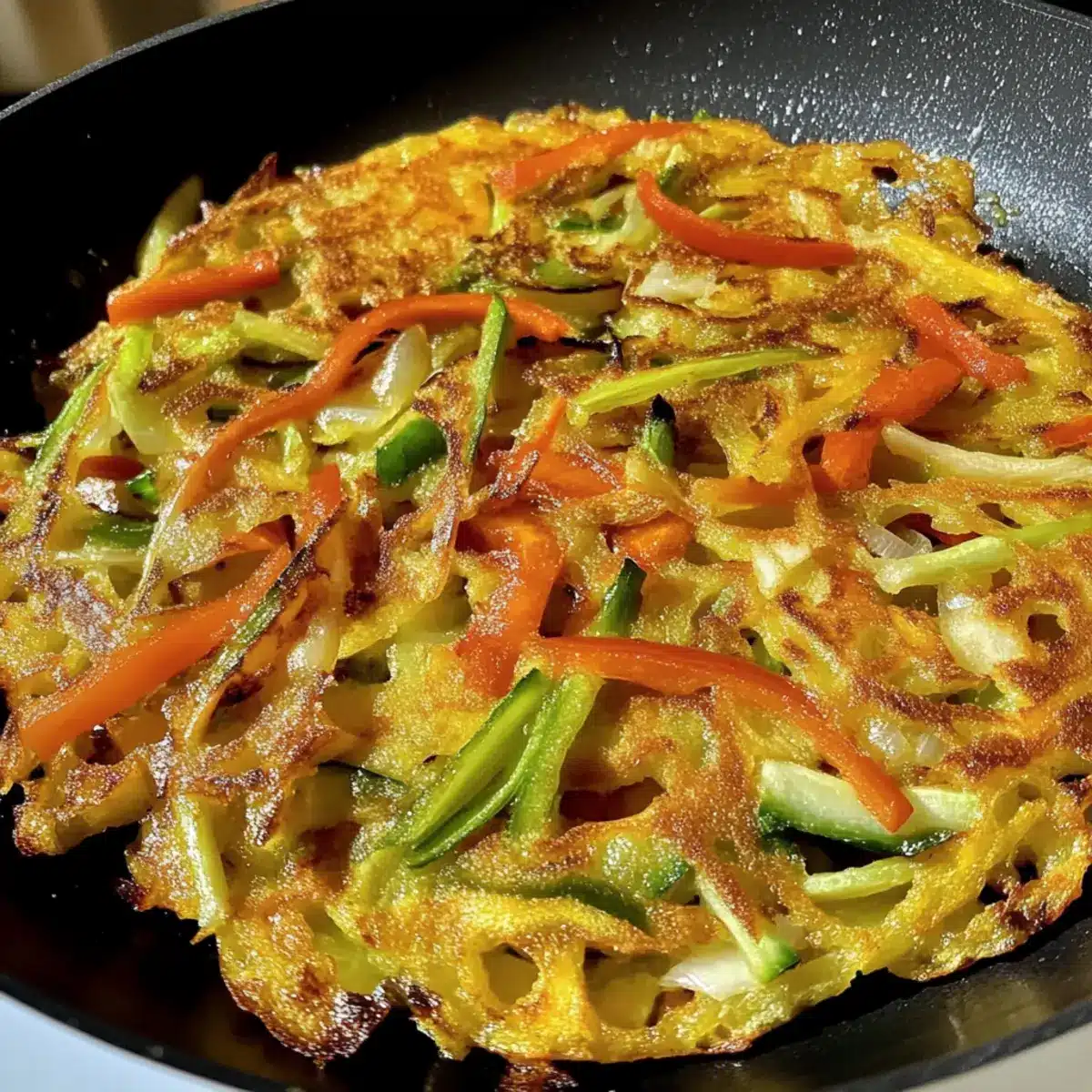
Korean Vegetable Pancakes (Yachaejeon) Recipe FAQs
What vegetables work best for Korean Vegetable Pancakes?
Absolutely! You can use a variety of fresh vegetables in your Korean Vegetable Pancakes. Some of my favorites include green onions, carrots, red peppers, and cabbage for their contrasting textures and flavors. To mix things up, consider seasonal picks like zucchini or mushrooms. Just ensure that the vegetables are crunchy and fresh for the best results!
How should I store leftover Korean Vegetable Pancakes?
To maintain their delightful crispiness, store any leftover Korean Vegetable Pancakes in an airtight container in the refrigerator for up to 2 days. I often place a paper towel at the bottom of the container to absorb excess moisture, keeping them in peak condition.
Can I freeze Korean Vegetable Pancakes?
Yes! Freezing is a great option if you want to prepare ahead. Here’s how: Allow the pancakes to cool completely, then lay them out in a single layer on a baking sheet. Freeze them for about 1 hour, and once they’re firm, transfer them to a freezer bag or container. They can be stored for up to 1 month. To reheat, simply sauté them in a skillet over medium heat until heated through and crispy again.
What if my pancakes are soggy after cooking?
No need to worry! If your Korean Vegetable Pancakes turn out soggy, it may be due to thick batter or overcrowding the pan. Make sure to spread the batter thinly and cook in smaller batches. Also, adjusting the heat to medium helps ensure they cook through without becoming greasy. If they do get soggy, a quick reheating in a skillet can help restore some crunchiness.
Are Korean Vegetable Pancakes vegan-friendly?
Yes, indeed! This recipe for Korean Vegetable Pancakes is entirely plant-based, making it a wonderful option for vegans. Just ensure that any additional ingredients or dipping sauces you choose to use are also vegan-friendly.
Can I add spices or herbs to enhance the flavor?
Very! Feel free to customize your Korean Vegetable Pancakes with your favorite spices or herbs. Adding a pinch of garlic powder or fresh herbs like cilantro can elevate the flavor profile. If you like some heat, consider mixing in chili flakes into the batter or your dipping sauce for an extra kick!
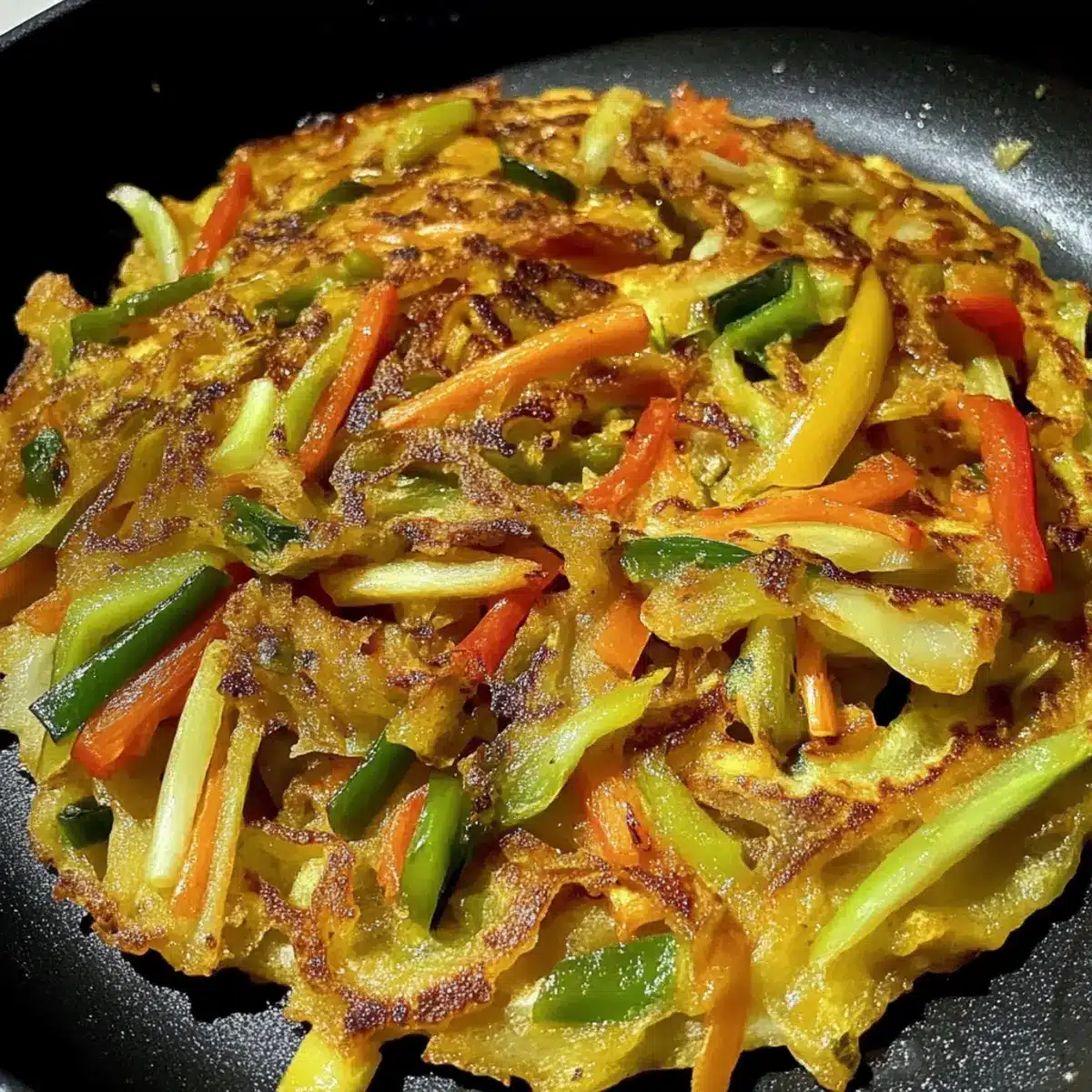
Crispy Korean Vegetable Pancakes for a Flavorful Veggie Boost
Ingredients
Equipment
Method
- Prepare the vegetables by washing and finely slicing all of them, including green onions, red onions, carrots, red pepper, and cabbage.
- In a mixing bowl, combine flour, cornstarch, turmeric, salt, and baking powder. Gradually whisk in water until the batter is smooth and pourable.
- Fold the prepared vegetables into the batter until evenly coated.
- In a small bowl, whisk together soy sauce, rice vinegar, sesame oil, sesame seeds, and a pinch of chili flakes for a dipping sauce.
- Heat a non-stick skillet over medium heat, adding a splash of oil to coat.
- Pour a small amount of the batter into the heated pan, cooking each pancake for 3-4 minutes until golden brown on one side, then flip and cook for another 2-3 minutes.
- Transfer cooked pancakes to a plate lined with paper towels and serve warm with the dipping sauce.
Leave a Reply