
The first time I tried bibimbap, it felt like a delightful explosion of color and flavor on my plate, transforming a simple rice bowl into an unforgettable experience. This Vegetarian Bibimbap with Gochujang Sauce is not just a meal; it’s a vibrant celebration of Korean cuisine that combines wholesome ingredients in a way that’s both nourishing and customizable. With its mix of seasoned vegetables and a perfect fried egg on top, this dish is not only quick to prepare for busy weeknights, but it also doubles as an impressive centerpiece for gatherings. Whether you’re meal prepping or needing a satisfying weeknight dinner, this recipe promises to bring joy and nourishment to your table. Ready to dive into this colorful bowl of deliciousness? Let’s get cooking!
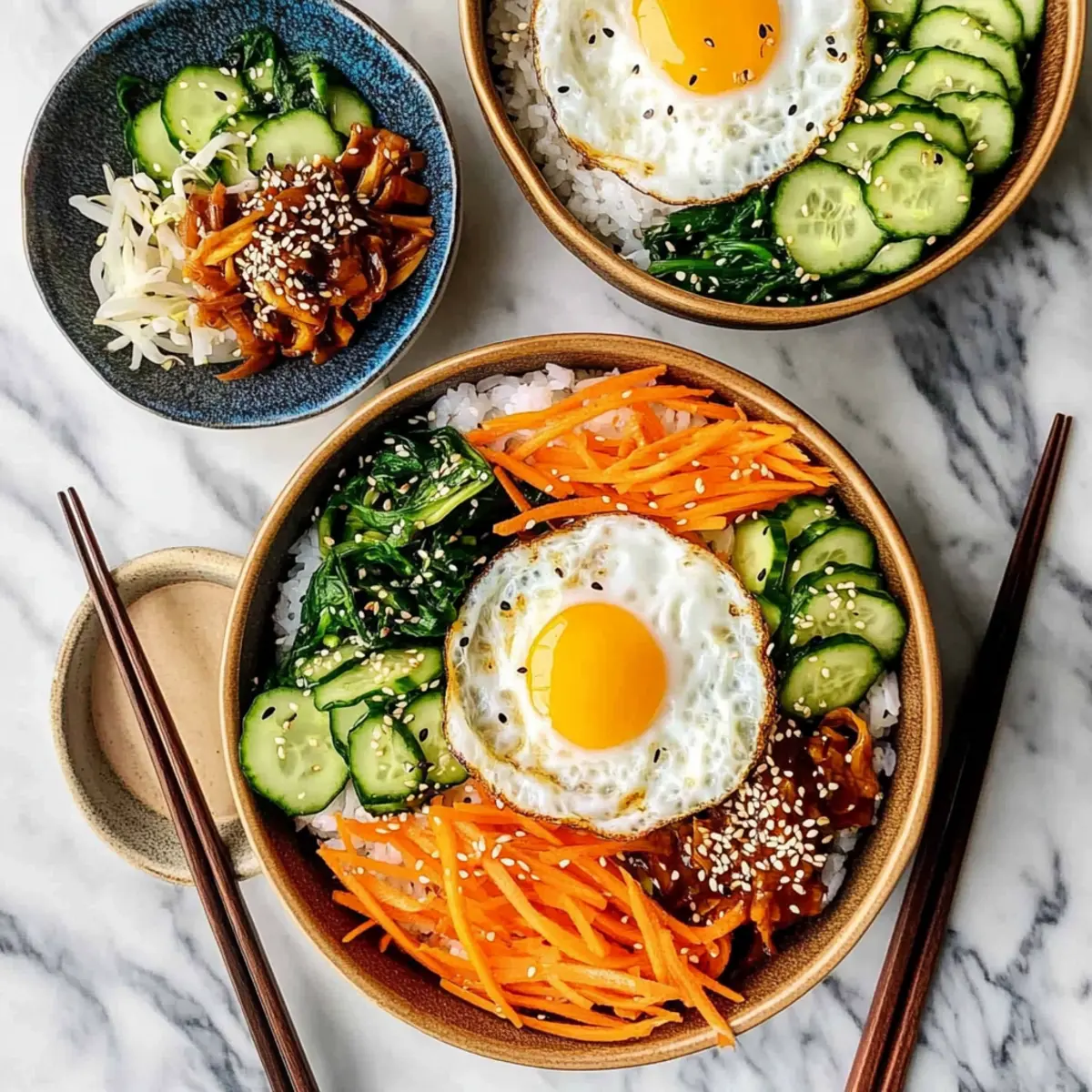
Why is Bibimbap So Popular?
Unforgettable flavors: The combination of fresh, sautéed vegetables and a spicy-sweet gochujang sauce creates a taste experience that dances on your palate.
Vibrant presentation: Every bowl is a feast for the eyes, with a colorful array of ingredients that makes healthy eating irresistible.
Customizable delight: This Vegetarian Bibimbap allows you to mix and match your favorite veggies, proteins, and sauces, ensuring every meal is unique. Try swapping out the egg for baked tofu or experimenting with seasonal produce!
Quick preparation: In under 30 minutes, you can whip up this delicious dish, making it a perfect option for busy weeknights.
Nutrient-rich meal: Packed with vitamins and minerals, this dish not only satisfies your hunger but nourishes your body too. For additional tips on meal prep, check out how to speed up your weeknight dinner game with our easy meal prepping tips.
Bibimbap Ingredients
For the Rice Base
• Short-Grain White Rice – This provides a hearty base for the bibimbap; consider brown rice for added nutrition.
For the Vegetables
• English Cucumber – Adds a refreshing crunch when thinly sliced and marinated.
• Fresh Mung Bean Sprouts – Light, crunchy texture that enhances the dish; optional for added freshness.
• Shredded Carrots – Bringing sweetness and vibrant color, these can easily be swapped with other quick-cooking veggies.
• Baby Spinach – Nutrient-packed and colorful; bok choy or kale are great alternatives.
• Sautéed Shiitake Mushrooms (optional) – Add earthy flavors; feel free to substitute your favorite mushrooms.
For the Flavor Boosters
• Rice Vinegar – Provides acidity to balance flavors; apple cider vinegar is a suitable substitute.
• Toasted Sesame Oil – Crucial for depth of flavor; be sure to use toasted oil for the best results.
• Tamari or Soy Sauce – Enhances umami flavors; opt for gluten-free tamari if needed.
• Sea Salt – Vital for enhancing all flavors throughout the dish.
For the Protein
• Fried Eggs or Baked Tofu – Both offer protein, with tofu being a perfect vegan substitute.
For the Sauce
• Gochujang Sauce – This spicy-sweet condiment is made from gochujang, rice vinegar, sesame oil, and maple syrup; adjust to your spice tolerance.
For Garnishing
• Sesame Seeds – Sprinkle for extra flavor and crunch.
• Kimchi (optional) – A traditional Korean side that adds spice and tang.
• Chopped Scallions (optional) – Enhances freshness and makes for a beautiful garnish.
Get ready to experience the incredible flavors of bibimbap while being creative with each ingredient that brings this dish to life!
Step‑by‑Step Instructions for Vegetarian Bibimbap with Gochujang Sauce
Step 1: Prep the Rice
Begin by cooking short-grain white rice using your preferred method, whether on the stovetop or in an Instant Pot. For stovetop, combine 1 cup of rice with 1.5 cups of water, bring to a boil, then reduce heat to low and simmer for 18-20 minutes until the water is absorbed and the rice is tender. Keep the rice warm while you prepare the toppings.
Step 2: Marinate Vegetables
In a small bowl, mix together thinly sliced cucumber, rice vinegar, toasted sesame oil, and a pinch of sea salt. Allow the cucumber to marinate for about 10 minutes, during which it will soften and absorb the flavors, readying it to add a refreshing crunch to your Vegetarian Bibimbap.
Step 3: Blanch Bean Sprouts
Bring a pot of water to a boil while you prepare the other ingredients. Once boiling, add fresh mung bean sprouts and blanch for 1 minute to keep them crunchy and bright. Drain the sprouts and set them aside to cool, ensuring they maintain their vibrant color for the bibimbap’s presentation.
Step 4: Cook Vegetables
In a large skillet, heat a tablespoon of toasted sesame oil over medium heat. Sauté shredded carrots for 1-2 minutes until just softened, then remove and set aside. Next, add baby spinach to the skillet with a splash of tamari. Sauté for 30 seconds until wilted, then squeeze out excess moisture, preparing it to layer beautifully in your bowl.
Step 5: Assemble the Bowl
Start with a generous layer of warm rice as the base. Neatly arrange the marinated cucumber, blanched bean sprouts, sautéed carrots, and wilted spinach atop the rice, creating a colorful and inviting presentation. Add either a fried egg or baked tofu in the center, along with optional sautéed shiitake mushrooms for an earthy finish.
Step 6: Finish with Sauce
Drizzle the assembled Vegetarian Bibimbap generously with homemade gochujang sauce, allowing its spicy-sweet notes to mingle with the other ingredients. Sprinkle sesame seeds over the top for added flavor and a delightful crunch. Serve with kimchi and chopped scallions on the side for an authentic touch that completes this colorful meal.
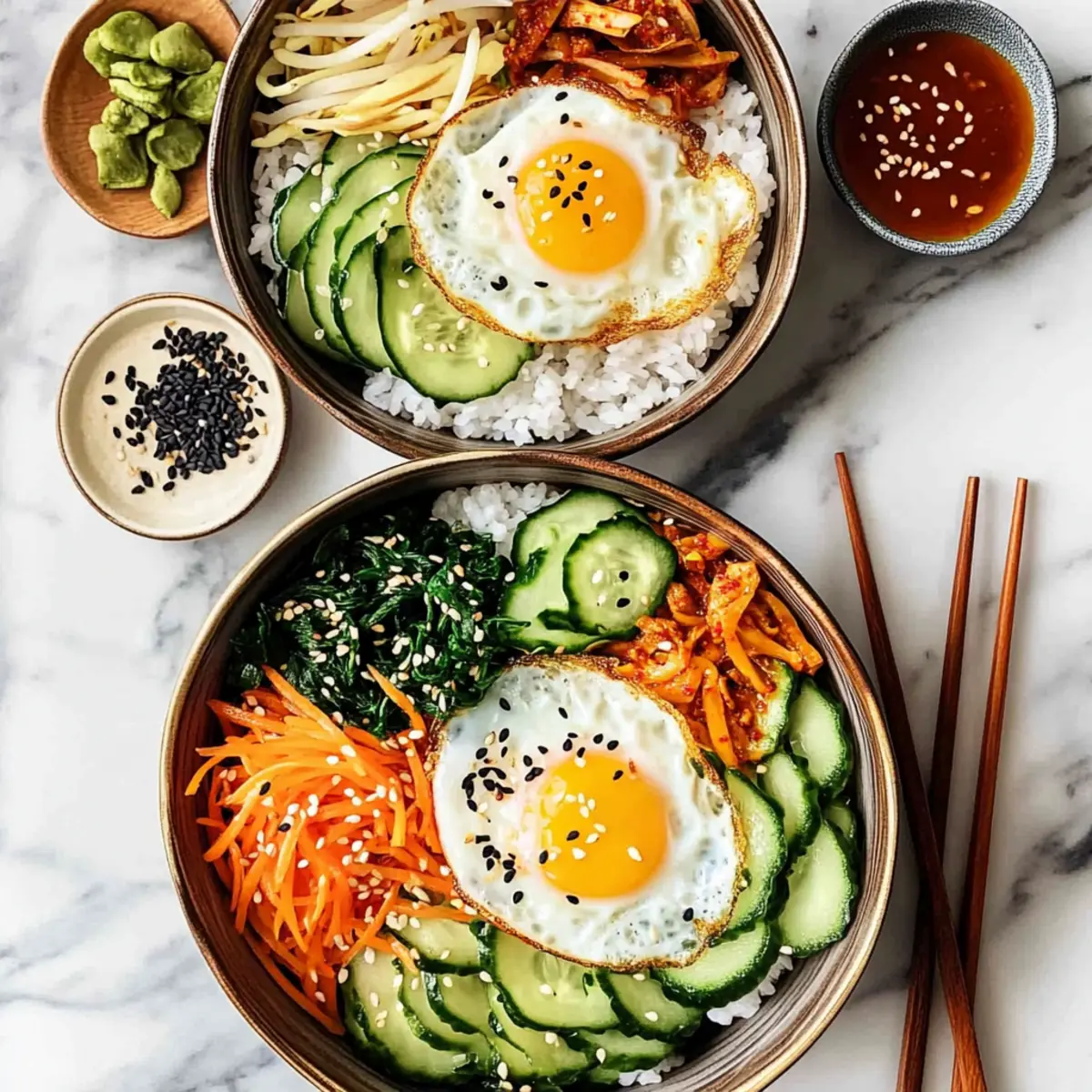
What to Serve with Vegetarian Bibimbap with Gochujang Sauce
Create an unforgettable dining experience with delightful pairings that elevate your vibrant rice bowl.
- Kimchi: A traditional Korean side dish that brings spice and tang, perfectly complementing the flavors in your bibimbap.
- Crispy Vegetable Spring Rolls: These crunchy rolls add a light, crispy texture and are a great way to incorporate more veggies!
- Garlic Fried Rice: Rich and flavorful, this side makes for a perfect carb addition that enhances the overall heartiness.
- Sesame Steamed Broccoli: This dish offers a boost of green, with sesame oil drizzling beautifully over tender florets for added flavor.
- Miso Soup: A warm, savory broth that balances the meal, providing comfort alongside the vibrant flavors of bibimbap.
- Chilled Tofu Salad: The coolness and creaminess of this salad provide a lovely textural contrast, nicely offsetting the warm rice bowl.
- Spicy Pickled Radishes: These bite-sized tangy bites add a delightful crunch and zing, making them an engaging accompaniment.
- Sake or Soju: These traditional beverages enhance the meal, providing a gentle kick and complementing the array of flavors.
- Fruity Sorbet: For dessert, a refreshing fruit sorbet cleanses the palate after the spicy gochujang sauce and adds a sweet finish.
- Green Tea or Iced Barley Tea: These beverages offer a soothing, light drink option to enjoy alongside your bibimbap.
How to Store and Freeze Bibimbap
Fridge: Store assembled bibimbap in an airtight container for up to 3 days. Keep the fried egg or tofu separate to maintain texture.
Freezer: If you want to freeze components, do so before adding sauces and the egg or tofu. Store ingredients separately in airtight bags for up to 3 months.
Reheating: To reheat, thaw overnight in the fridge, then warm in a skillet over medium heat until heated through. Add fresh gochujang sauce just before serving for flavor.
Prepped Vegetables: Individual vegetable components can be prepped ahead and stored in the fridge for quick assembly, keeping them fresh for up to 3 days.
Bibimbap Variations & Substitutions
Feel free to get creative with your bibimbap and make it your own with these delightful twists and swaps!
- Dairy-Free: Use avocado slices instead of a fried egg for creaminess without the dairy.
- Gluten-Free: Choose gluten-free tamari in place of standard soy sauce to maintain that umami flavor.
- Extra Crunch: Add sliced radishes for an additional layer of crunch and a pop of color in your bowl.
- Sweetness Boost: Drizzle some honey or use agave syrup in your gochujang sauce for a touch of sweetness.
- Veggie Variety: Consider seasonal vegetables like zucchini or bell peppers to keep things fresh and interesting throughout the year. The myriad of colors will make your bibimbap even more inviting!
- Spicy Kick: If you crave heat, sprinkle some Korean chili flakes or add diced jalapeños to amp up the spice level.
- Grain Swap: Use quinoa instead of rice for a protein-packed alternative that complements the flavors beautifully.
- Mix It Up: Explore different sauces, such as a tangy tahini or a spicy peanut sauce, to create a unique flavor profile.
Transform your bibimbap into a dish that reflects your personal taste, and don’t hesitate to share your favorite variations with friends and family! For additional meal ideas, discover how to elevate your weeknight dinners with our simple meal prepping tips.
Make Ahead Options
These Vegetarian Bibimbap bowls are perfect for meal prep, making them a fantastic choice for busy weeknights! You can prepare the vegetables (like marinated cucumber, sautéed spinach, and shredded carrots) up to 3 days in advance, storing them in airtight containers in the refrigerator to maintain their freshness. Additionally, the gochujang sauce can be made ahead of time and kept for up to 1 week; just give it a good stir before using. When you’re ready to serve, simply warm the rice, arrange the prepped veggies on top, add a fried egg or baked tofu, and drizzle with the homemade sauce. This way, you’ll have a delicious, restaurant-quality bibimbap ready with minimal effort!
Expert Tips for Delicious Bibimbap
• Prep Ahead: Prepare your vegetables in advance. Store them in the fridge for up to three days to make assembly quick and easy.
• Perfect Rice: Use short-grain white rice for that classic bibimbap texture. If using brown rice, remember it takes longer to cook—plan accordingly!
• Adjust Spice: For a milder dish, start with a smaller amount of gochujang sauce and gradually add more to suit your palate.
• Layering Matters: Arrange the ingredients in your bowl artfully; the presentation enhances the eating experience, making your bibimbap feel like a special treat.
• Alternative Proteins: Swap the fried egg with baked tofu for a vegan option, or mix in chickpeas for extra protein and texture in your bibimbap.
• Quality Ingredients: Using high-quality gochujang and sesame oil makes a significant difference in flavor—don’t skimp on these key components!
Bibimbap Recipe FAQs
What type of rice is best for bibimbap?
Short-grain white rice is ideal for bibimbap as it delivers the perfect chewy texture that adheres well to the other ingredients. However, for a healthier twist, you can substitute it with brown rice or even cauliflower rice.
How should I store leftover bibimbap?
Store any assembled bibimbap in an airtight container in the fridge for up to 3 days. To maintain the textures of the fried egg or tofu, it’s best to keep them separate from the rice and vegetables until ready to eat.
Can I freeze the components of bibimbap?
Absolutely! To freeze your bibimbap ingredients, store them separately in airtight bags for up to 3 months. Make sure to omit the sauce and the egg or tofu before freezing. When you’re ready to enjoy it, thaw overnight in the fridge and reheat in a skillet.
What if my vegetables get soggy?
Soggy vegetables can sometimes happen when they’re cooked for too long. To avoid this, sauté your veggies for just a minute or two until they’re tender yet still vibrant. Additionally, patting down any excess moisture before assembling your bibimbap can help keep things crisp.
Are there any dietary substitutions I should consider?
For a gluten-free option, use tamari instead of soy sauce and be sure your gochujang is gluten-free as well. If you’re vegan, swap the fried egg for baked tofu or chickpeas to provide a hearty protein source. Always check labels for allergens if cooking for someone with dietary restrictions.
How long can I keep prepped vegetables for bibimbap?
Prepared vegetables can be stored in your refrigerator for up to 3 days. When ready to use them, ensure they’re in airtight containers to keep them fresh and maintain their crunch.
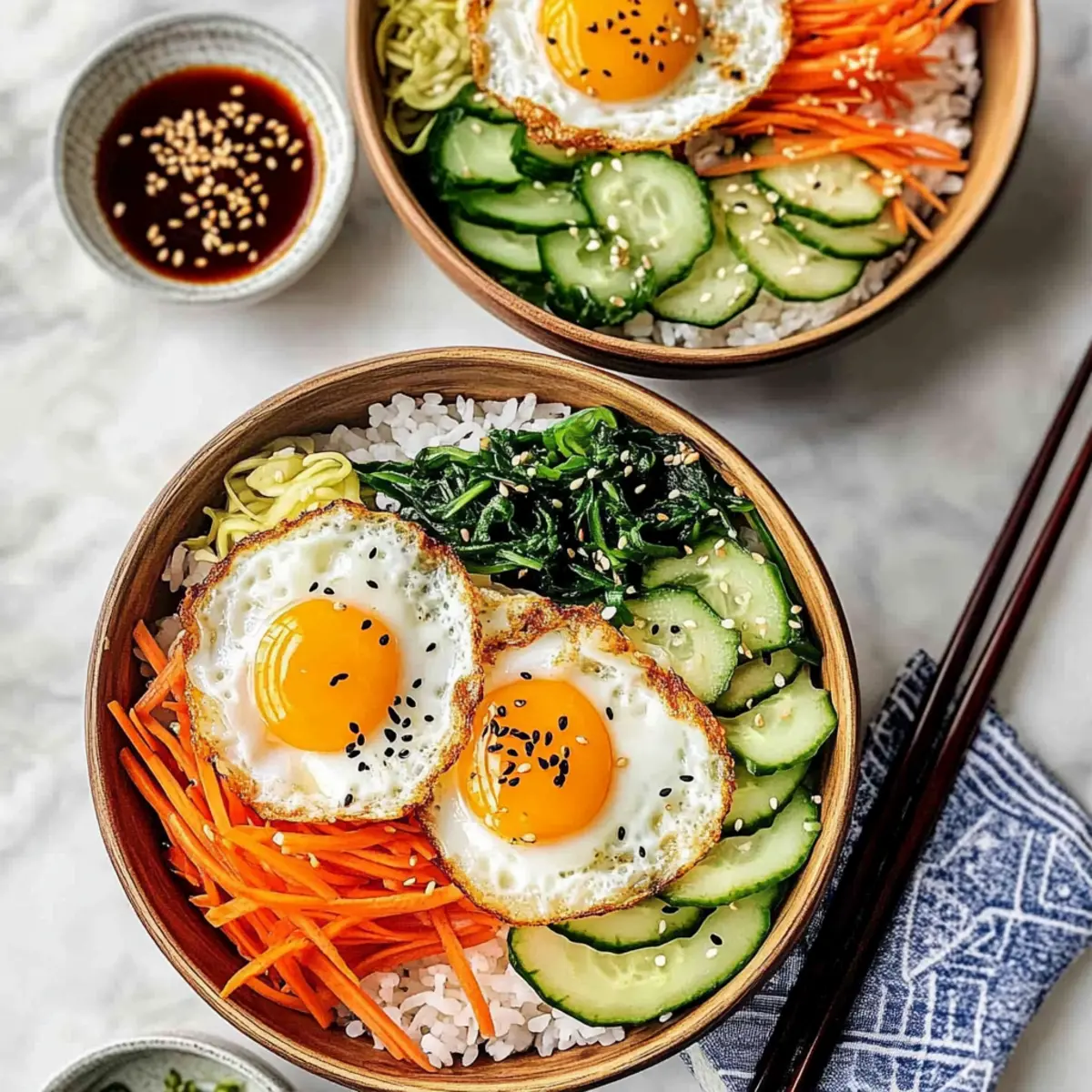
Delicious Bibimbap: A Colorful, Flavor-Packed Adventure
Ingredients
Equipment
Method
- Begin by cooking short-grain white rice using your preferred method, combining 1 cup of rice with 1.5 cups of water. For stovetop, bring to a boil, reduce heat to low, and simmer for 18-20 minutes until tender.
- In a small bowl, mix thinly sliced cucumber, rice vinegar, toasted sesame oil, and a pinch of sea salt. Allow the cucumber to marinate for about 10 minutes.
- Bring a pot of water to a boil. Add mung bean sprouts and blanch for 1 minute. Drain and set aside.
- In a large skillet, heat 1 tablespoon of toasted sesame oil over medium heat. Sauté shredded carrots for 1-2 minutes, then remove from heat. Add baby spinach with a splash of tamari, sautéing for 30 seconds until wilted.
- Start assembling the bowl with warm rice as the base. Neatly arrange cucumber, blanched bean sprouts, sautéed carrots, and wilted spinach atop the rice. Add fried egg or baked tofu in the center.
- Drizzle with gochujang sauce and sprinkle sesame seeds. Serve with kimchi and chopped scallions.
Leave a Reply