
As I glanced at the vibrant blue waves kissing the shoreline, I couldn’t shake the craving for a delightful seafood dish. That’s the magic of this Easy & Tender Boiled Octopus Recipe—it transports you straight to the sun-drenched Mediterranean where fresh flavors reign supreme. Boiling octopus is not only a simple technique that’s perfect for both novice cooks and seasoned chefs, but it also creates a tender and succulent result that elevates any meal. With just a handful of ingredients and minimal effort, you can impress your family and friends with a gourmet dish worthy of celebration. Whether you toss it into a refreshing salad or serve it alongside crusty bread and olive oil, this recipe is sure to become a favorite in your culinary repertoire. Ready to dive into the world of seafood cooking? Let’s explore how to make the perfect boiled octopus together!
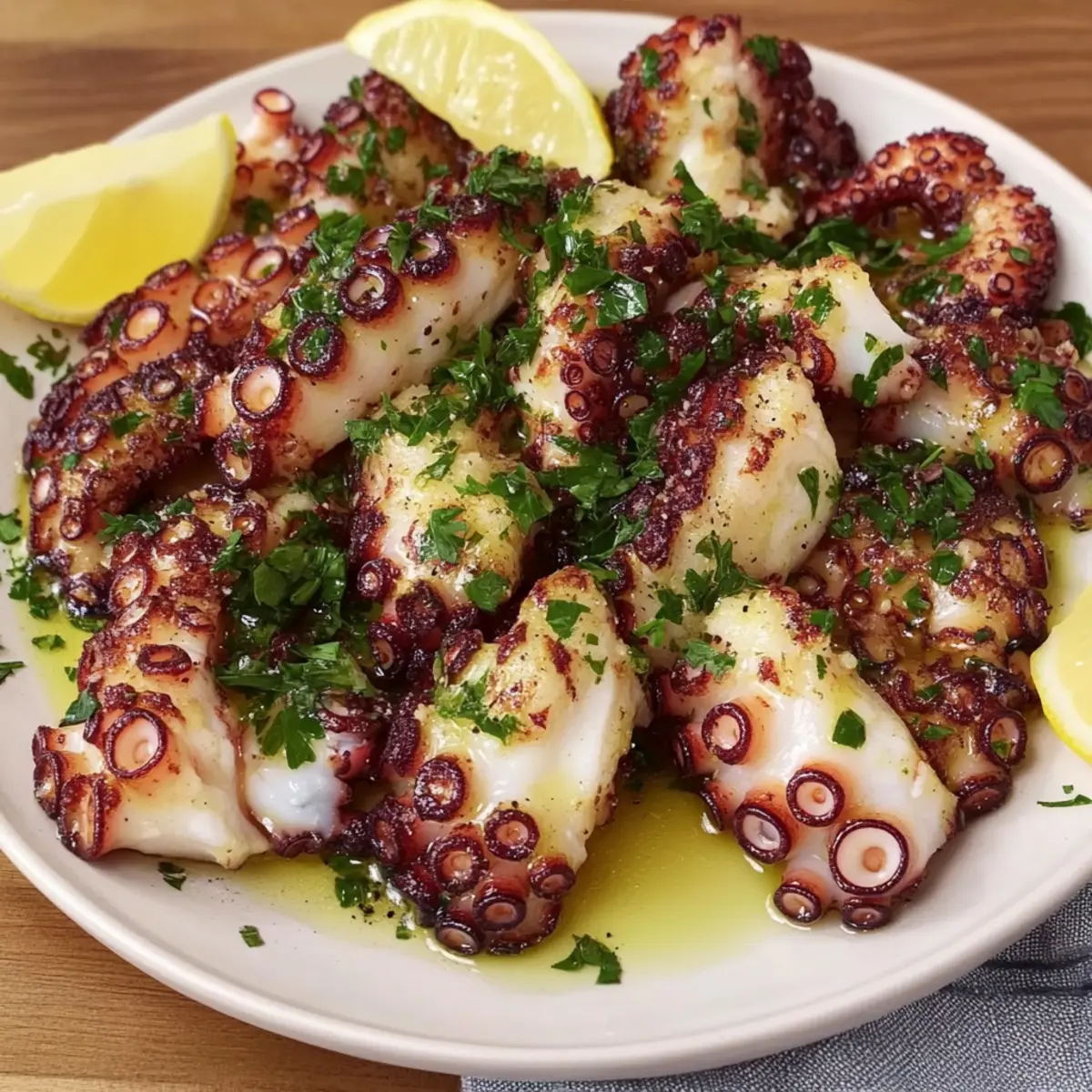
Why is Boiled Octopus a Must-Try?
Simplicity at Its Finest: This recipe requires minimal ingredients and straightforward steps, making it accessible for every home cook.
Tender Texture: Boiling results in octopus that is incredibly tender, ensuring each bite is a melt-in-your-mouth experience.
Fresh Mediterranean Flavors: The combination of garlic, onion, and bay leaves adds depth, embodying the essence of Mediterranean cuisine.
Versatile Dish: Use the boiled octopus in salads, pastas, or as a main course—perfect for any occasion from casual dinners to elegant gatherings.
Time-Saving Option: Cooking octopus doesn’t have to be time-consuming. With just 45-60 minutes of simmering, you’ll have a restaurant-quality meal ready to serve.
Healthy Choice: Boiled octopus is low in fat and high in protein, making it an excellent addition to a balanced diet. For more seafood inspiration, check out our guides on Mediterranean Diet dishes and quick seafood recipes!
Boiled Octopus Ingredients
• Elevate your seafood game with these essentials!
For the Octopus
- Octopus – Look for cleaned octopus to ensure a hassle-free cooking experience.
For the Broth
- Water – Use enough to fully submerge the octopus; this helps achieve tenderness.
- Onion (halved) – Imparts natural sweetness that enhances the broth’s overall flavor.
- Garlic (smashed) – Adds aromatic depth to the cooking liquid, making every bite flavorful.
- Bay Leaves – These earthy leaves enrich the broth, capturing the essence of Mediterranean cooking.
- Peppercorns – Introduce a subtle spice that balances the dish with a touch of heat.
- Vinegar/Wine – Acidity breaks down proteins for a succulent boiled octopus and adds complexity.
- Salt – Essential for seasoning, it helps enhance all the other flavors.
Optional Additions
- Celery and parsley stems – These ingredients lend even more aromatic flavor to the broth for a richer experience.
With this lineup, you’re well on your way to crafting a delicious boiled octopus that’s bound to impress!
Step‑by‑Step Instructions for Boiled Octopus
Step 1: Prepare the Octopus
Begin by rinsing the cleaned octopus under cold running water to remove any residual salt or impurities. Pat it dry with paper towels and set aside. You’re aiming for an octopus that’s glistening and ready for a gentle boil, hinting at its succulent potential.
Step 2: Make the Poaching Liquid
In a large stockpot, combine enough water to submerge the octopus, along with the halved onion, smashed garlic, bay leaves, whole peppercorns, vinegar, and salt. If you choose to add the optional celery and parsley stems, toss them in now for an aromatic boost. Stir well to dissolve the salt and set the stage for a fragrant broth.
Step 3: Simmer
Bring the pot to a gentle boil over medium heat, then reduce to a low simmer. Look for small bubbles rising to the surface, indicating the broth is just right. Allow the flavors to meld for about 10 minutes, creating a deeply flavored cooking liquid that will infuse the octopus as it delicately cooks.
Step 4: Cook the Octopus
Carefully lower the octopus into the simmering broth, ensuring it is fully submerged. Let it simmer gently for 45-60 minutes, depending on its size. You’ll know it’s ready when the thickest part is tender enough to be pierced easily with a knife, resembling the perfect doneness for cooked pasta.
Step 5: Rest and Serve
Once the octopus is tender, turn off the heat and let it rest in the cooking liquid for an additional 10 minutes. This resting period allows the flavors to deepen. After resting, transfer the octopus to a cutting board, slice it into bite-sized pieces, and allow its wonderful aroma to fill your kitchen, making it a true delight for the senses.
Expert Tips for Boiled Octopus
-
Quality Matters: Choose fresh or properly frozen octopus for the best flavor; it’s worth the extra effort.
-
Avoid Overcooking: Boil gently and check for doneness early; overcooking can lead to a rubbery texture, which you want to avoid in your boiled octopus.
-
Smart Resting: Letting the octopus rest in the broth after cooking allows it to absorb more flavors, enhancing the overall taste.
-
Season the Broth: Adjust salt and acidity to your taste; a balanced broth is key to making your boiled octopus truly shine.
-
Keep It Clean: Always rinse the octopus thoroughly before cooking to remove any residual sand or impurities for a pleasant eating experience.
-
Experiment with Flavors: Feel free to experiment with different spices or herbs in your broth to customize your boiled octopus experience!
What to Serve with Easy & Tender Boiled Octopus?
Elevate your dining experience by pairing this succulent seafood dish with complementary sides that enhance its natural flavors.
-
Garlic Bread: The warm, buttery richness of garlic bread creates a delightful contrast to the fresh, clean taste of the octopus. It’s perfect for soaking up the savory broth!
-
Mediterranean Salad: A refreshing salad tossing tomatoes, cucumbers, and olives adds vibrant color and crunch, balancing the tenderness of the octopus with its zesty flavors.
-
Roasted Vegetables: Caramelized vegetables like bell peppers, zucchini, and asparagus bring out earthy undertones, enriching your meal with their sweet and smoky profiles.
-
Couscous or Quinoa: These light, fluffy grains serve as an excellent bed for the octopus, soaking up all the flavors while providing a satisfying texture to each bite.
-
Lemon Wedges: A simple squeeze of lemon not only brightens the dish but enhances the octopus’ oceanic essence, making every morsel a delightful sensation.
-
Chardonnay or Cava: Pair with a chilled glass of Chardonnay or sparkling Cava to complement the dish’s delicate yet rich flavor—creating a truly Mediterranean dining experience.
With these options, your boiled octopus will shine as the star of a delightful meal!
Boiled Octopus Variations & Substitutions
Feel free to get creative with this boiled octopus recipe and make it truly your own!
-
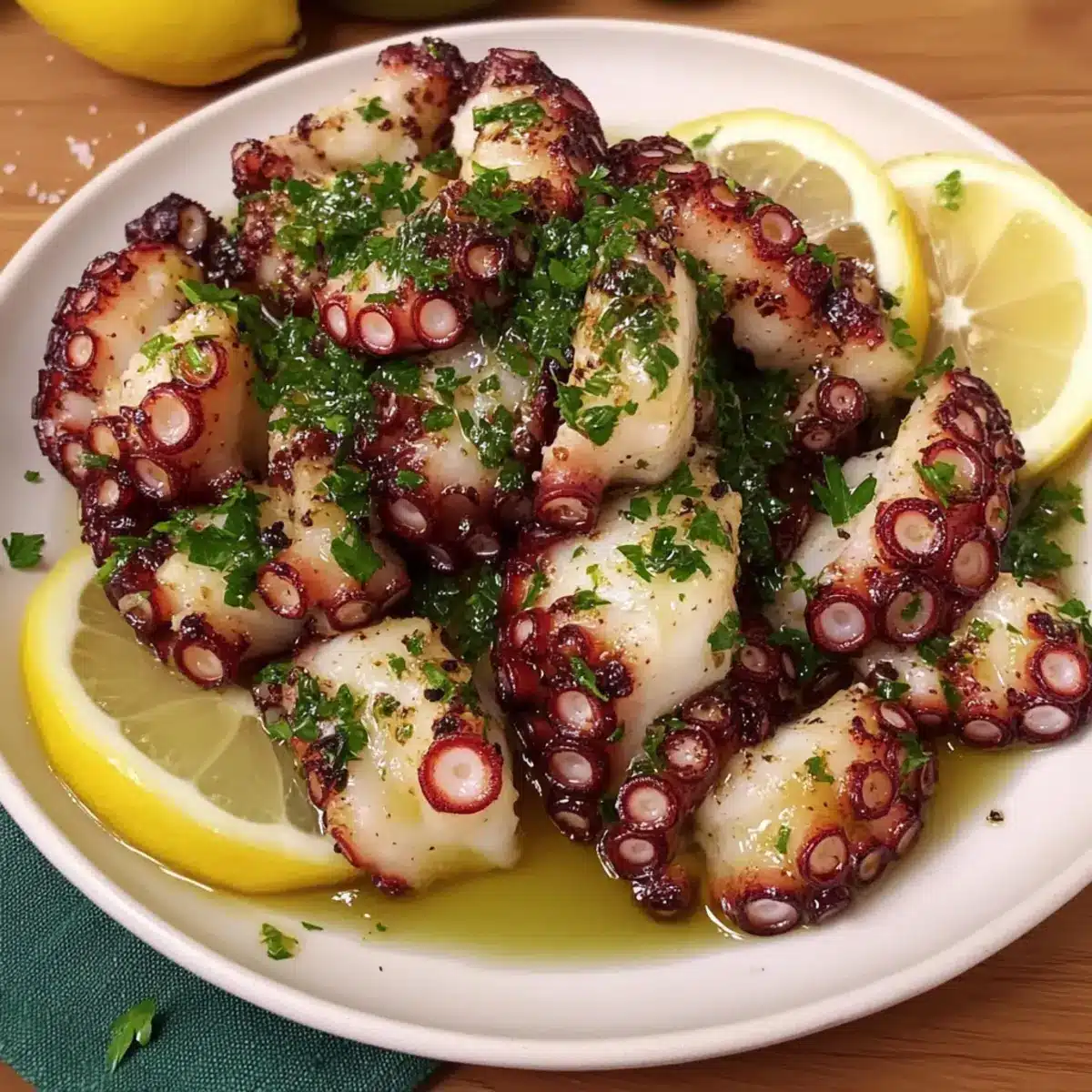
Grill after Boiling: For a smoky char, sear the octopus quickly on high heat after boiling. This adds depth and a delightful grilled flavor that’s hard to resist.
-
Flavor Additions: Drizzle with olive oil, lemon juice, and sprinkle flaky salt before serving for an enhanced flavor experience. The bright acidity of the lemon beautifully cuts through the richness.
-
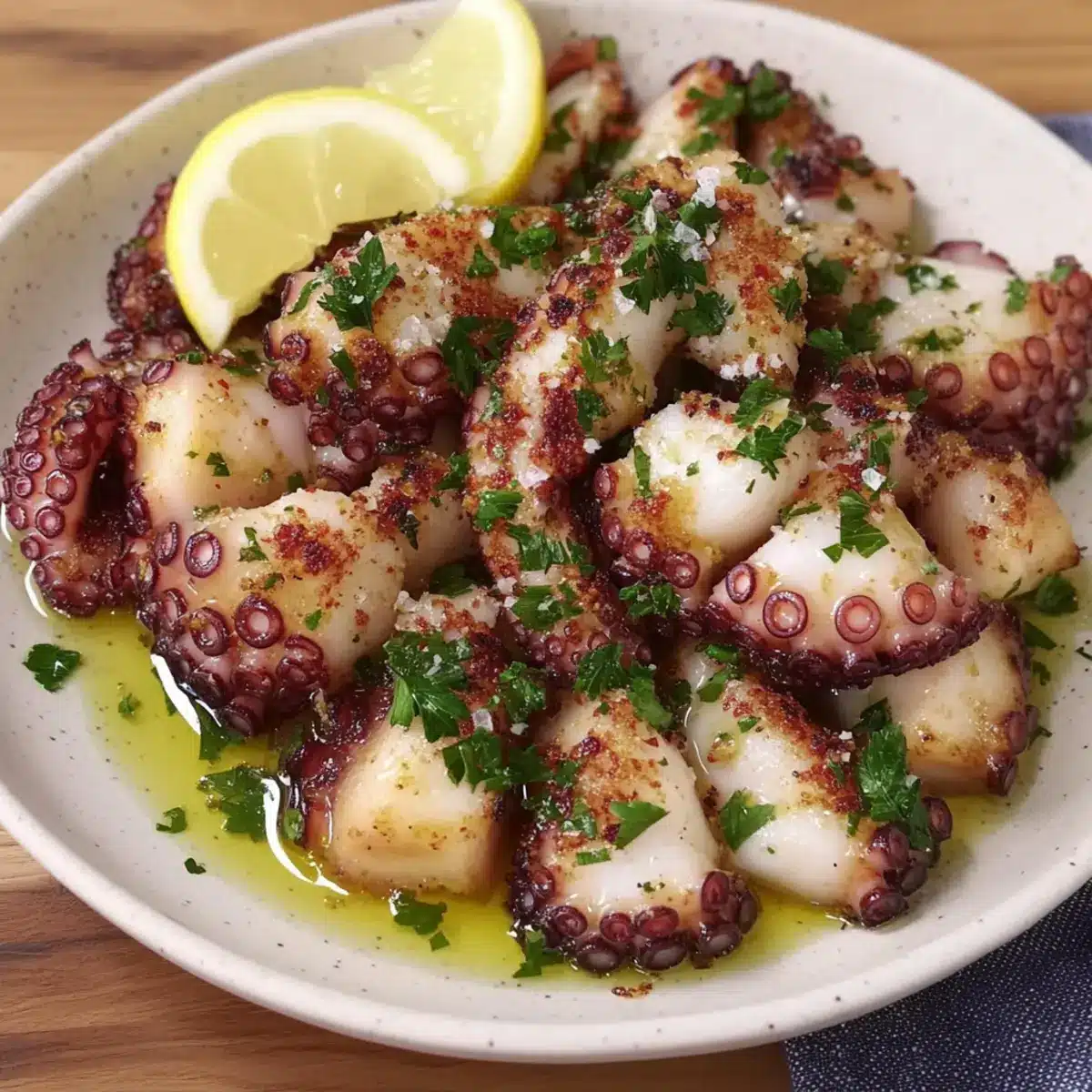
Cultural Pairing: To recreate “Pulpo a la Gallega,” serve with paprika and boiled potatoes. This traditional Spanish dish will transport your taste buds straight to Galicia.
-
Herb Infusion: Add fresh herbs like thyme or oregano to the boiling liquid for a fragrant twist. They will bring a refreshing note, celebrating the vibrant herbs typical in Mediterranean cuisine.
-
Spicy Kick: If you love a bit of heat, throw in a few red pepper flakes or a whole dried chili during simmering. You’ll get a gentle heat that elevates the dish without overpowering its essence.
-
Vegetable Boost: Incorporate sliced carrots or leeks into the poaching liquid for added sweetness and a subtle vegetable flavor. This will enrich the broth and infuse the octopus with extra nutrition.
-
Citrus Zing: Experiment with adding citrus zest—like lemon or orange—into the broth for a bright flavor boost. It brings a lively note that contrasts beautifully with the seafood.
For more delightful seafood options, don’t miss our other tempting recipes on the Mediterranean Diet or explore more quick seafood recipes to keep your culinary adventures exciting!
Make Ahead Options
These tender boiled octopus are perfect for meal prep enthusiasts! You can make the poaching liquid up to 24 hours in advance by following the initial steps of combining water, onion, garlic, bay leaves, peppercorns, vinegar, and salt, then storing it in the refrigerator. Additionally, the octopus can be cleaned and prepped the day before; just keep it wrapped tightly in plastic wrap to maintain its freshness. When you’re ready to enjoy your boiled octopus, simply bring the poaching liquid to a simmer and cook the octopus for 45-60 minutes, resulting in a dish that tastes just as delicious as if it were prepared fresh. This prep-ahead tip not only saves time but allows the flavors to meld beautifully!
Storage Tips for Boiled Octopus
-
Fridge: Store leftover boiled octopus in an airtight container in the refrigerator for up to 3 days to maintain its tenderness and flavor.
-
Freezer: For longer storage, freeze the boiled octopus in a freezer-safe bag or container for up to 2 months. Thaw overnight in the fridge before serving.
-
Reheating: Gently reheat boiled octopus in a pan over low heat with a drizzle of olive oil to preserve its moisture. Avoid overheating to keep the texture tender.
-
Serving Suggestions: Revive your leftover boiled octopus by tossing it into a vibrant salad or enjoying it with a dip, making it a versatile ingredient in your kitchen!
Boiled Octopus Recipe FAQs
What should I look for when selecting octopus?
Absolutely! When selecting octopus, look for specimens that are shiny and moist, without any dark spots all over. Freshness is key, so if possible, choose octopus that has been recently caught. Avoid any that have a strong fishy odor, as this can indicate age. The size can vary; smaller octopus can be more tender, while larger ones might require longer cooking times to achieve the same tenderness.
How should I store leftover boiled octopus?
To keep your delicious boiled octopus fresh, store any leftovers in an airtight container in the refrigerator for up to 3 days. This will help maintain its tenderness and flavor. Make sure it’s cooled to room temperature before sealing to avoid excess moisture buildup. For longer storage, you can freeze it in a freezer-safe bag, laying it flat to save space, for up to 3 months.
Can I freeze boiled octopus?
Yes, you can absolutely freeze boiled octopus! After it’s cooled, place it in an airtight, freezer-safe bag, removing as much air as possible before sealing. For best results, freeze the octopus whole or in portioned sizes. When ready to enjoy, thaw it in the fridge overnight. If you need it sooner, you can run the sealed bag under cold water until defrosted.
What if my boiled octopus turns out tough?
If your boiled octopus ends up a bit tough, don’t worry—this can happen if it’s overcooked or not cooked long enough. To avoid this in the future, ensure you simmer gently rather than boil it vigorously. When cooking, test the tenderness periodically over the last 15 minutes using a knife; it should pierce easily. If you find the texture still isn’t ideal, try chopping it into smaller pieces and cooking in a flavorful broth for a few more minutes.
Can I enjoy boiled octopus if I have shellfish allergies?
While octopus is not classified as shellfish, people with shellfish allergies may still have sensitivities to cephalopods, which include octopus. It’s always best to consult with your doctor if you have any concerns. If you’re hosting someone with a shellfish allergy, you might consider offering an alternative seafood dish like grilled fish, which can be just as delicious!

Tender Boiled Octopus: A Simple Taste of the Mediterranean
Ingredients
Equipment
Method
- Rinse the cleaned octopus under cold running water to remove any residual salt or impurities. Pat it dry and set aside.
- In a large stockpot, combine enough water to submerge the octopus, the halved onion, smashed garlic, bay leaves, whole peppercorns, vinegar, and salt. Stir well to dissolve the salt.
- Bring the pot to a gentle boil over medium heat, then reduce to low simmer. Allow the flavors to meld for about 10 minutes.
- Carefully lower the octopus into the simmering broth and let it simmer for 45-60 minutes, until tender.
- Turn off the heat and let the octopus rest in the cooking liquid for an additional 10 minutes before slicing.
Leave a Reply