
The aroma of simmering beef wafted through the kitchen as I prepared to dive into one of my favorite comfort meals: Slow Cooker Korean Beef Noodles. There’s something profoundly satisfying about letting a slow cooker work its magic, transforming humble ingredients into a rich, savory feast while you go about your day. These Korean Beef Noodles are not only incredibly easy to make—perfect for busy weeknights—but they also deliver a delightful depth of flavor that will leave your taste buds dancing. Picture tender beef nestled among chewy noodles, all infused with aromatic spices and umami-rich sauce. Ready to take a flavorful journey to Korea without leaving your home? Let’s get cooking!
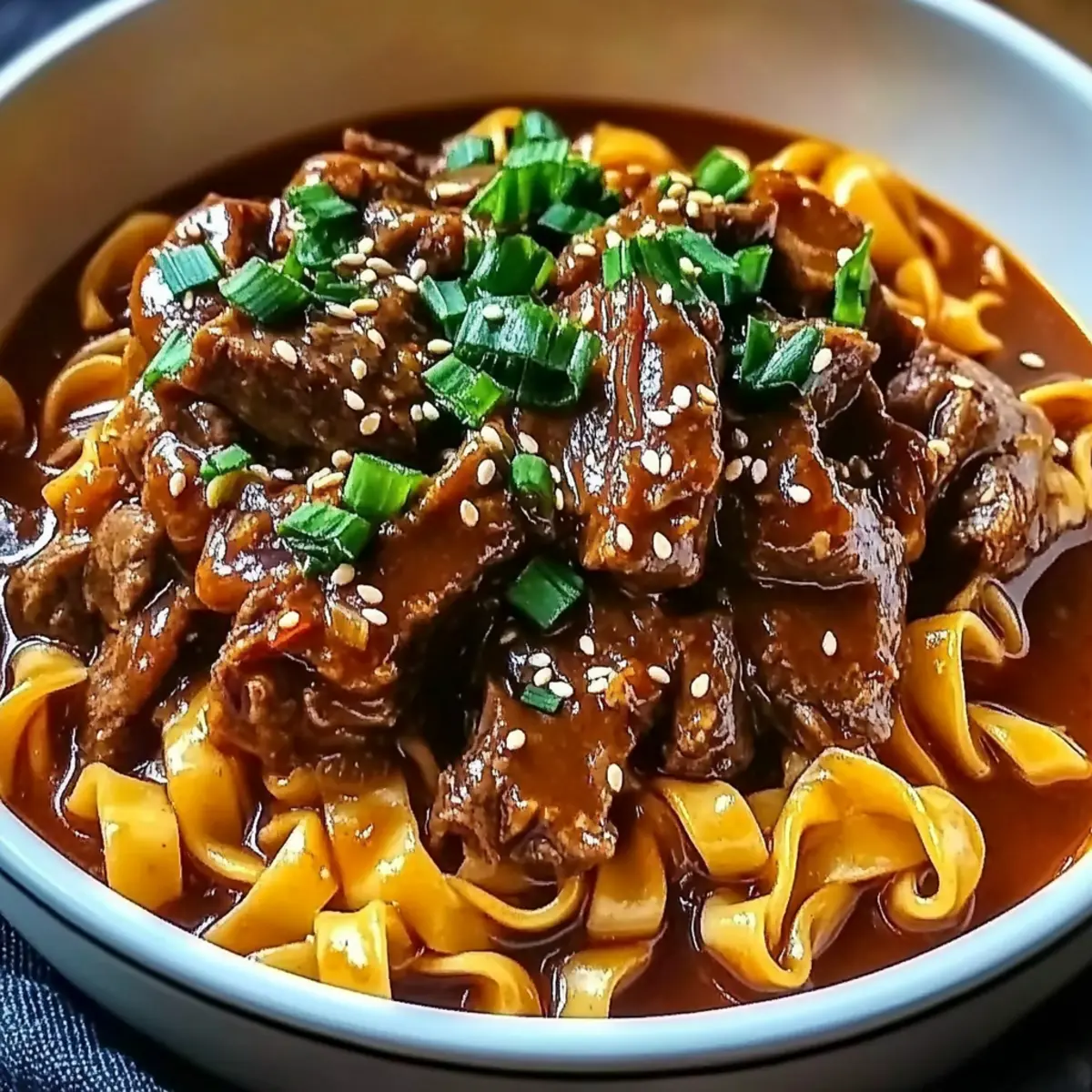
Why are Korean Beef Noodles a must-try?
Comforting Magic: The slow cooker transforms simple ingredients into a profoundly flavorful dish that’s perfect for any weeknight meal.
Endless Variations: Switch up the beef or even the noodles—there’s a version to please everyone! Experimenting with different veggies like bell peppers or bok choy can provide extra nutrition and freshness.
Hands-Free Cooking: Set it and forget it! Allow the flavors to meld beautifully while you attend to your day.
Rustic Richness: The combination of gochujang, garlic, and sesame oil creates an incredibly savory profile that warms your soul.
Crowd-Pleasing Delight: Serve these noodles with a side of kimchi for an authentic treat that is sure to impress family and friends. Whether you’re bored with fast food or looking for a homemade remedy, these Thai Basil Beef noodles will surely become a new favorite!
Korean Beef Noodles Ingredients
For the Beef
• Beef Chuck – Adds rich flavor and tender texture; choose well-marbled cuts for the best results.
• Black Pepper – Provides a subtle heat; use freshly cracked for maximum flavor.
For the Sauce
• Beef Broth – Provides depth and savory notes to the sauce; low-sodium broth can be used to control salt levels.
• Soy Sauce – Offers salty umami flavor; tamari can substitute for a gluten-free option.
• Brown Sugar – Balances out the saltiness with sweetness; coconut sugar works well as a substitute.
• Ginger (minced) – Adds warmth and an aromatic kick; fresh ginger is recommended for the best flavor.
• Garlic (minced) – Delivers a robust flavor profile; fresh garlic should be used for optimal taste.
• Sesame Oil – Enhances the dish’s nuttiness; can substitute with olive oil, but sesame oil is preferred for authenticity.
• Gochujang – Introduces heat and depth to the dish; optional chili paste can be used as a substitute.
For the Noodles
• Fresh or Dried Noodles (Udon or Ramen) – Acts as the base of the dish; choose according to preference. If using dried, ensure proper cooking time.
For Garnish
• Green Onions (for garnish) – Adds freshness and color; can be replaced with cilantro for a different flavor.
• Sesame Seeds (for garnish, optional) – Offers a crunchy texture and visual appeal.
• Fresh Cilantro (for garnish, optional) – Enhances freshness and aroma.
These Korean Beef Noodles come together so effortlessly, transforming your kitchen into an aromatic haven!
Step‑by‑Step Instructions for Korean Beef Noodles
Step 1: Season the Beef
Begin by cutting your beef chuck into uniform chunks, about 1-inch pieces for even cooking. Generously season the beef with freshly cracked black pepper, ensuring all sides are coated. This step enhances the flavor foundation of your Korean Beef Noodles, setting the stage for a deliciously savory dish.
Step 2: Prepare the Sauce
In a mixing bowl, whisk together beef broth, soy sauce, brown sugar, minced ginger, minced garlic, sesame oil, and gochujang until the sugar is fully dissolved. This rich, flavorful sauce will soak into the meat and noodles, creating the delightful umami profile that defines Korean Beef Noodles.
Step 3: Combine in Slow Cooker
Place the seasoned beef chunks in the slow cooker and pour the prepared sauce mixture over them. Ensure the beef is well-covered in the sauce to maximize flavor absorption during cooking. This is the heart of the recipe, where the magic begins as the ingredients meld together.
Step 4: Slow Cook the Beef
Cover the slow cooker with its lid and set it to low for 6-8 hours or high for 3-4 hours. Cooking on low allows for deeper flavor development and results in tender, melt-in-your-mouth beef. Check occasionally, but resist lifting the lid to maintain even heat.
Step 5: Cook the Noodles
About 15-20 minutes before serving, prepare the noodles according to the package instructions. If using fresh noodles, this step will only take a few minutes; for dried, plan for the full cooking time. Once cooked, drain the noodles and set them aside, ready to absorb all that wonderful flavor.
Step 6: Combine Noodles and Beef
When the beef is tender and falls apart easily, add the cooked noodles directly to the slow cooker. Gently stir to combine everything, ensuring the noodles are coated in the rich sauce. This final step infuses every bite of noodle with the delicious essence of the Korean Beef Noodles.
Step 7: Serve and Garnish
Ladle the Korean Beef Noodles into bowls and garnish with sliced green onions, sesame seeds, and fresh cilantro if desired. The finishing touches add a pop of color and freshness, elevating this comforting dish. Serve hot and enjoy the delicious, aromatic flavors of your homemade meal!
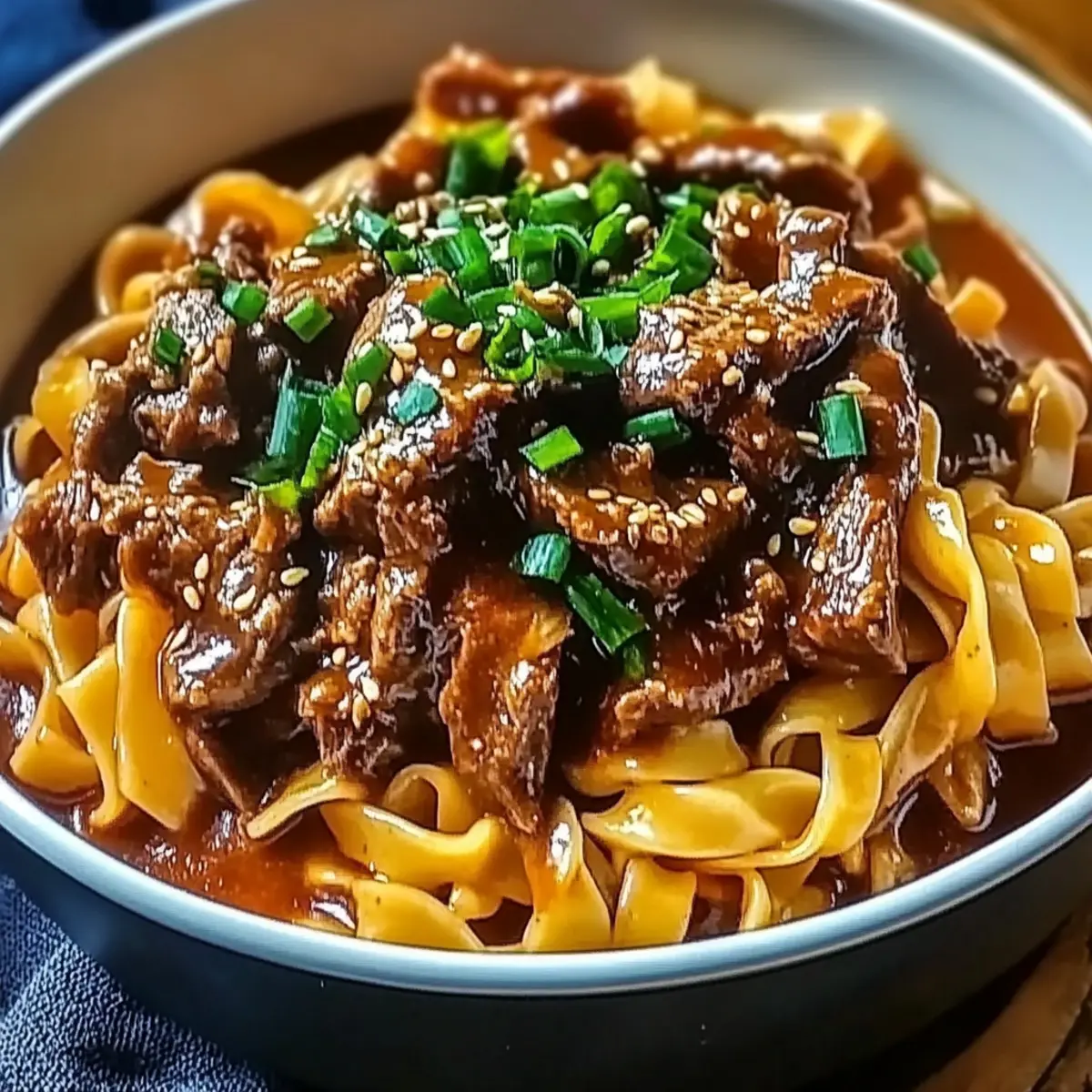
How to Store and Freeze Korean Beef Noodles
-
Fridge: Store any leftover Korean Beef Noodles in an airtight container for up to 3 days. Allow the dish to cool before sealing to prevent condensation.
-
Freezer: For longer storage, freeze the noodles and beef in a freezer-safe container for up to 3 months. When ready to eat, thaw in the refrigerator overnight before reheating.
-
Reheating: Gently reheat in a saucepan over low heat, adding a splash of beef broth or water to moisten. Stir occasionally until warmed through, ensuring the noodles are tender again.
-
Make-Ahead Tips: This recipe can be prepared up to 2 days in advance. The flavors deepen beautifully over time, making leftovers even more delightful.
Expert Tips for Korean Beef Noodles
-
Consistent Cuts: Make sure to cut the beef into uniform pieces for even cooking, ensuring all chunks are tender and flavorful.
-
Lid Lifting: Avoid lifting the slow cooker lid during cooking. This lets heat escape, possibly leading to uneven cooking.
-
Spice Control: Start with a small amount of gochujang and adjust according to your heat preference; you can always add more, but it’s hard to tone down spice once added.
-
Advance Prep: Consider preparing this recipe a day in advance; the flavors will deepen, making the Korean Beef Noodles even more delightful on the second day!
-
Ideal Noodles: Choose fresh noodles for a quicker cook time, but if using dried, ensure you follow package instructions for the best texture.
Korean Beef Noodles Variations & Substitutions
Get ready to personalize your Korean Beef Noodles with these fun and tasty twists that bring out new flavors!
-
Beef Alternative: Swap beef chuck for brisket or chicken thighs for a lighter option. Each choice brings a unique flavor that transforms the dish beautifully. You might even discover a new family favorite!
-
Noodle Change: Consider using rice noodles for a gluten-free twist. This change not only caters to dietary needs but also offers a different texture that pairs perfectly with the rich sauce.
-
Veggie Boost: Add in colorful vegetables like bell peppers, carrots, or bok choy toward the end of cooking. They’ll not only enhance the dish’s nutrition but also create a vibrant, inviting presentation.
-
Spicy Kick: Increase the heat by adding fresh chili slices or a dash more gochujang. With each bite, feel the warmth from the spice mingle with the savory broth!
-
Herbal Infusion: Experiment with fresh herbs like mint or basil instead of cilantro for a refreshing alternative. This subtle shift invites an exciting flavor profile that will surprise your taste buds.
-
Seasoning Swap: If you’re out of gochujang, you can use sriracha or another chili paste, though the taste will differ slightly. A bit of experimentation could lead to delightful discoveries!
-
Umami Boost: Stir in a spoonful of miso paste for an added umami punch. It enriches the sauce, deepening the savory notes that make these noodles so irresistibly satisfying.
-
Coconut Milk: For a creamy twist, add a splash of coconut milk to the sauce. This lends a hint of tropical sweetness that pairs wonderfully with the savory elements!
As you mix and match these variations, you might also enjoy checking out some other dishes like Street Style Noodles or perhaps indulge in a sweet treat with 4-Ingredient Chocolate Oat Cookies. Your culinary journey is all about exploring and creating dishes that bring joy to your dining table!
What to Serve with Korean Beef Noodles?
Imagine a cozy evening where vibrant flavors mingle on your dinner table and your palate is delighted by unique pairings.
-
Kimchi: This fermented side dish offers a spicy crunch that perfectly balances the savory richness of the noodles, adding an authentic bite.
-
Steamed Broccoli: The tender, crisp texture of broccoli is a wonderful contrast to the soft noodles, plus it adds a fresh, nutrient-packed element.
-
Sesame Spinach Salad: Light and refreshing, this salad with a sesame dressing complements the heavier flavors while adding a bright touch to your meal.
-
Crispy Egg Rolls: These golden-brown delights filled with veggies provide a crunchy texture, making for an exciting contrast to the tender beef and chewy noodles.
-
Garlic Fried Rice: A hearty side that combines fluffy rice seasoned with garlic, this dish carries flavors that mesh beautifully with the Korean Beef Noodles.
-
Spicy Cucumber Salad: Cool, crispy cucumbers tossed in a spicy dressing provide a refreshing crunch that cuts through the rich sauce and beef.
-
Beverage Pairing – Iced Tea: A lightly sweetened iced tea helps cleanse the palate, preparing you for the next delicious bite while refreshing your senses.
Each of these pairings enhances the comfort and joy of dining with Korean Beef Noodles, creating a delightful experience that nourishes both body and soul.
Make Ahead Options
These Korean Beef Noodles are perfect for meal prep enthusiasts! You can prepare the beef and sauce up to 24 hours in advance, allowing the flavors to meld beautifully. To do this, season the beef, mix the sauce ingredients, and store both separately in the refrigerator. Additionally, the cooked noodles can be kept for up to 3 days; just ensure they are drained well before refrigerating to maintain their texture. When you’re ready to serve, simply reheat the beef mix in the slow cooker until warmed through, then add the noodles and give everything a gentle stir to coat. This method saves you time during busy weeknights while keeping the dish just as delicious!
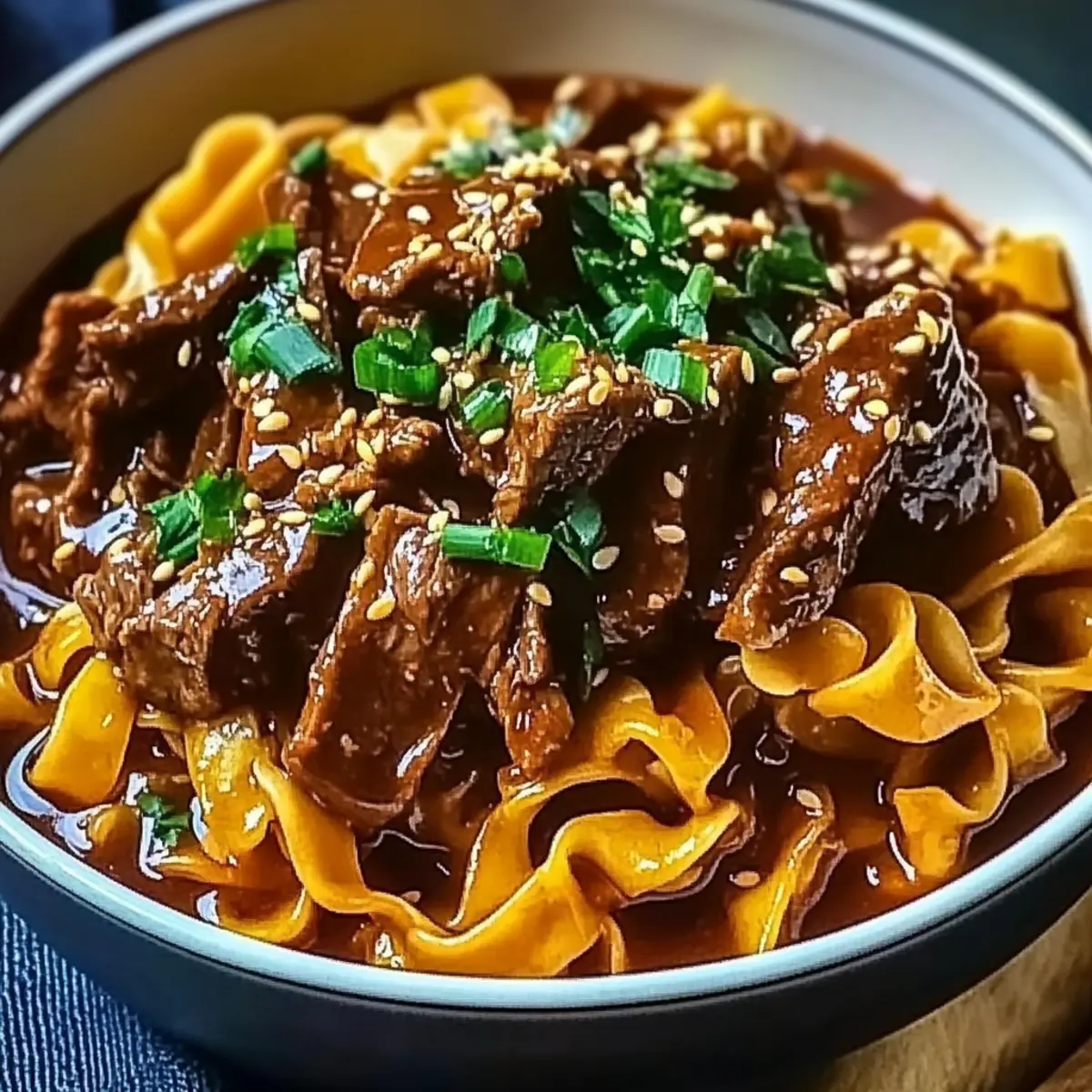
Korean Beef Noodles Recipe FAQs
What type of beef should I use for Korean Beef Noodles?
Absolutely! For the best results, I recommend using beef chuck, as it has the perfect balance of flavor and tenderness. Look for well-marbled cuts to ensure that your beef becomes melt-in-your-mouth tender during the slow cooking process.
How should I store leftover Korean Beef Noodles?
Very simply! Store any leftovers in an airtight container in the refrigerator for up to 3 days. Be sure to let the dish cool down before sealing it to minimize condensation, which can affect the texture of the noodles.
Can I freeze Korean Beef Noodles?
Of course! Freeze the noodles and beef in a freezer-safe container for up to 3 months. To thaw, just leave it in the refrigerator overnight. When you’re ready to eat, gently reheat on the stove over low heat, adding a splash of beef broth or water to restore moisture, and stir occasionally until warmed through.
What should I do if my beef isn’t tender after cooking?
It happens to the best of us! If your beef isn’t tender after the suggested cooking time, it may need a bit more time in the slow cooker. Simply set your cooker to high and let it cook for an additional 30 to 60 minutes. The key is to check that the beef easily falls apart with a fork for perfect texture.
Can I modify the recipe for dietary restrictions?
Absolutely! If you’re looking for a gluten-free version, substitute soy sauce for tamari, and if you want to make it even healthier, feel free to add in assorted vegetables like bell peppers, carrots, or bok choy toward the end of cooking. Just adjust the cooking time so that the veggies remain vibrant and fresh!
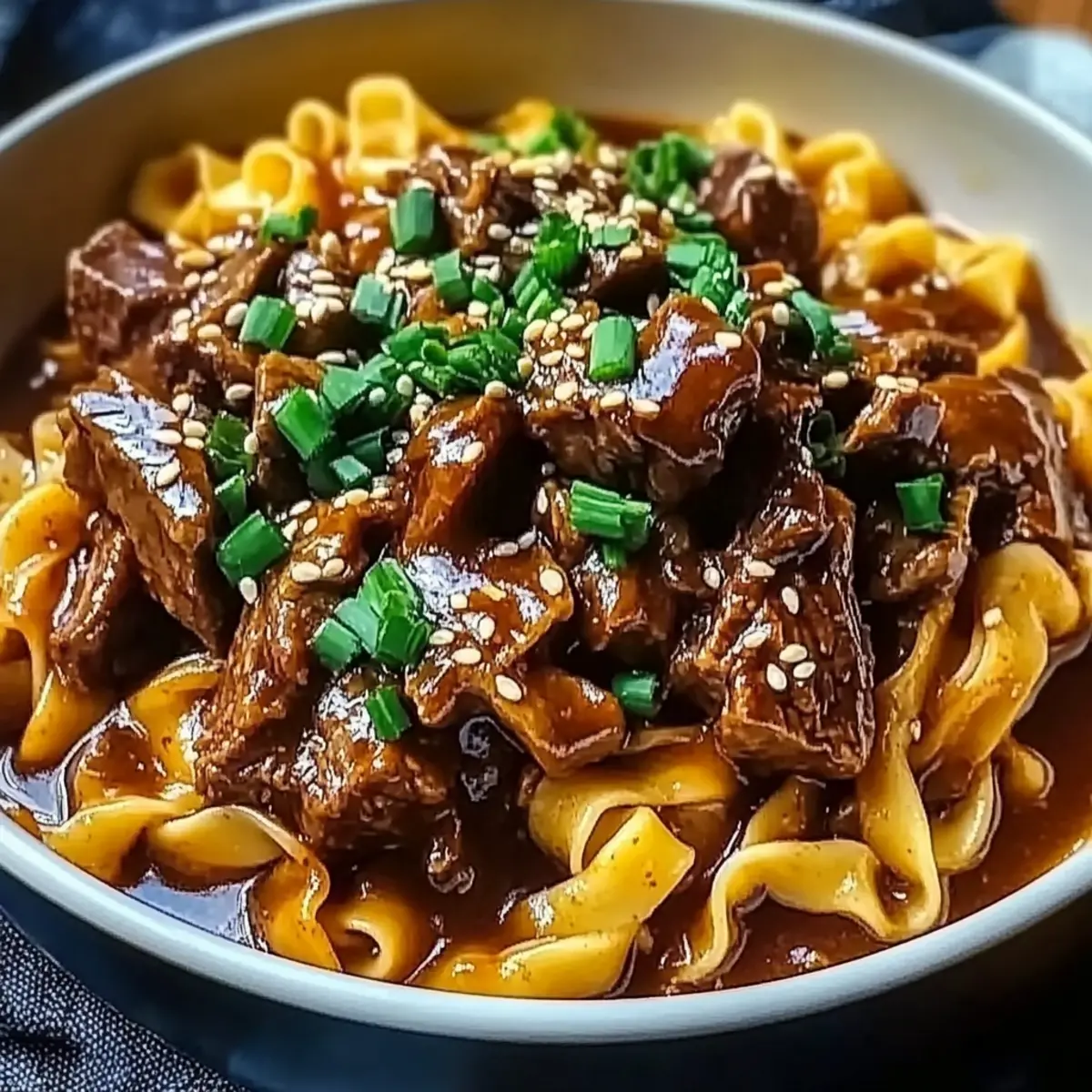
Savory Korean Beef Noodles for Comforting Slow Cooker Bliss
Ingredients
Equipment
Method
- Cut beef chuck into uniform chunks, about 1-inch pieces, and season with black pepper.
- In a bowl, whisk together beef broth, soy sauce, brown sugar, minced ginger, minced garlic, sesame oil, and gochujang until dissolved.
- Place seasoned beef in slow cooker and pour sauce over, ensuring beef is covered.
- Cover slow cooker and set to low for 6-8 hours or high for 3-4 hours.
- Prepare noodles according to package instructions 15-20 minutes before serving.
- Once beef is tender, add cooked noodles to slow cooker and stir gently to combine.
- Ladle noodles into bowls and garnish with green onions, sesame seeds, and fresh cilantro if desired.
Leave a Reply