
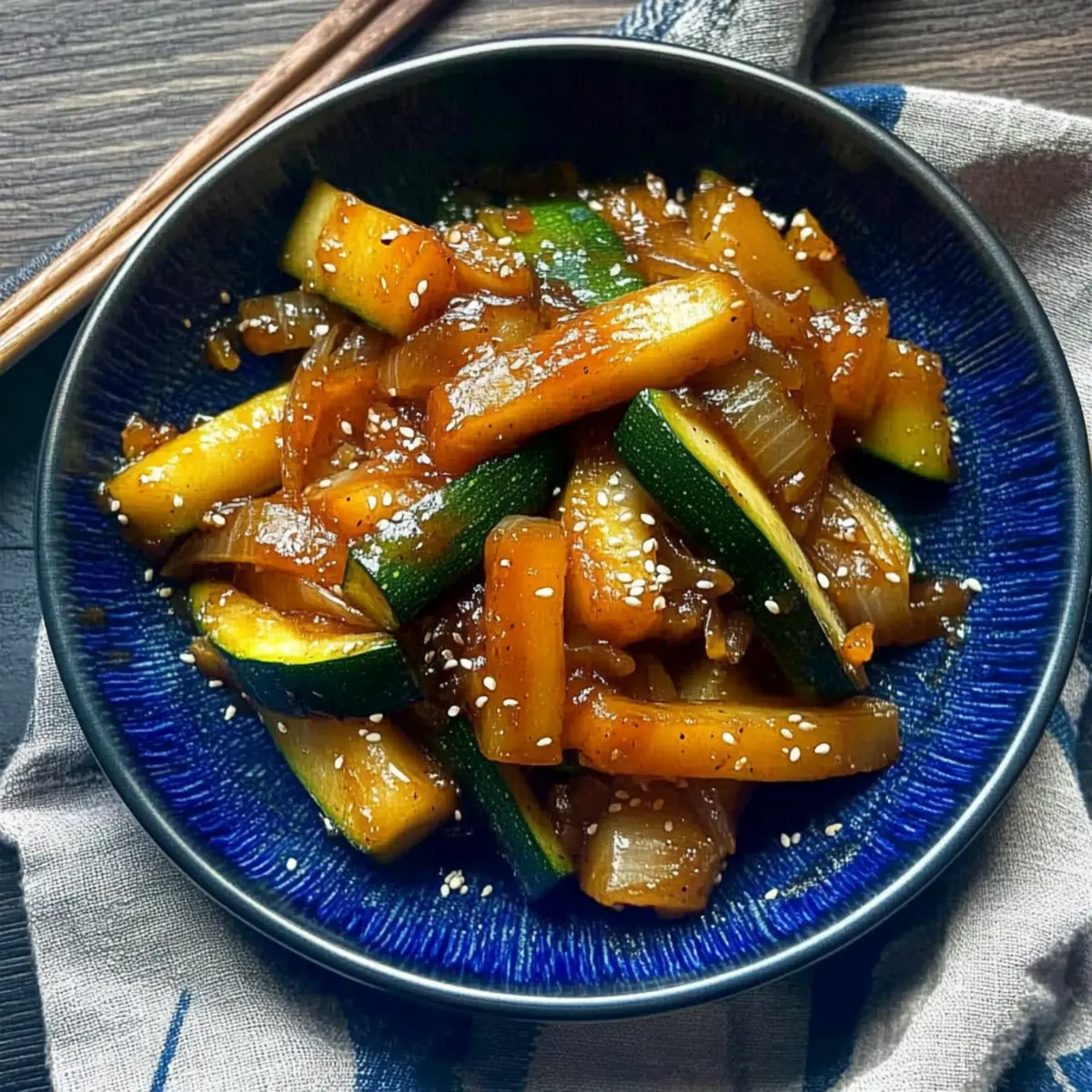
Have you ever walked into a restaurant and been mesmerized by the sizzling sounds of a hibachi grill? It’s a delightful spectacle that makes your mouth water in anticipation. That’s exactly what inspired me to recreate those vibrant, flavorful moments at home with this Hibachi Vegetables recipe, featuring sautéed zucchini and onions. Not only do these vegetables come together in just minutes, making them the ideal side dish for busy weeknights, but they also bring a taste of Asian cuisine that’s hard to resist. Tossed in a savory-sweet sauce that highlights their natural goodness, these veggies will surprise even the pickiest eaters at your table. Ready to elevate your vegetable game? Let’s dive into the deliciousness together!
Why Are Hibachi Vegetables So Irresistible?
Simplicity at Its Best: This recipe is a breeze, taking just 15 minutes from start to finish, making it perfect for busy weeknights!
Savory-Sweet Perfection: The delightful blend of soy sauce, sesame oil, and sesame seeds creates an unbeatable flavor profile that transforms humble veggies into stars of your meal.
Versatile and Customizable: Feel free to mix in your favorite vegetables or add a drizzle of chili sauce to spice things up! You can easily tailor this dish to suit your family’s tastes.
Healthy and Nutritious: Low in calories yet packed with vitamins, these Hibachi Vegetables are a guilt-free addition to any meal, ensuring everyone’s satisfied.
Crowd-Pleaser Appeal: Whether served as part of a rice bowl or alongside grilled meats, these veggies bring restaurant-quality flair to your dining table, impressing all your guests.
Don’t forget to check out our other delicious vegetable recipes for even more inspiration!
Hibachi Vegetables Ingredients
• For the Vegetables
- Sesame Oil – Adds a rich, nutty flavor; vegetable oil can be used as a substitute if necessary.
- Onion – Provides sweetness and depth; medium onions work best for a balanced flavor.
- Zucchini – Adds freshness and texture; can be substituted with yellow squash if desired.
• For the Sauce
- Soy Sauce – The base for the savory sauce, providing depth of flavor; tamari is great for a gluten-free option.
- Sesame Seeds – Offers a delightful crunch and nuttiness; toasting them enhances their aroma.
- Kosher Salt – Enhances the overall flavors of the dish, with adjustments made to taste.
- Black Pepper – Adds mild heat for balanced seasoning, complementing the other flavors.
With these Hibachi Vegetables ingredients, you’re all set to create a mouthwatering side dish that will elevate your home cooking experience!
Step‑by‑Step Instructions for Hibachi Vegetables
Step 1: Preheat the Skillet
Begin by placing a large skillet over medium-high heat. Pour in 1 tablespoon of sesame oil, allowing it to heat for about 30 seconds until it shimmers. Make sure not to overcrowd the skillet to achieve that signature hibachi sear on your vegetables.
Step 2: Sauté the Onions
Once the oil is hot, add sliced medium onions to the skillet. Sauté them for approximately 3 minutes, stirring occasionally until they begin to soften and turn translucent. This step enhances their sweetness and creates a wonderful base for your Hibachi Vegetables.
Step 3: Add the Zucchini
Introduce freshly cut zucchini sticks to the skillet, mixing them gently with the sautéed onions. Allow the vegetables to cook for an additional 4-5 minutes, letting them brown undisturbed for a minute or so for optimal searing. The zucchini should start to soften while still retaining its vibrant color.
Step 4: Incorporate the Sauce Ingredients
Pour in the second tablespoon of sesame oil along with soy sauce, sesame seeds, kosher salt, and black pepper. Mix everything thoroughly to coat the zucchini and onions evenly in the savory-sweet sauce. This step is crucial for ensuring every bite of your Hibachi Vegetables is full of delicious flavor.
Step 5: Finish Cooking
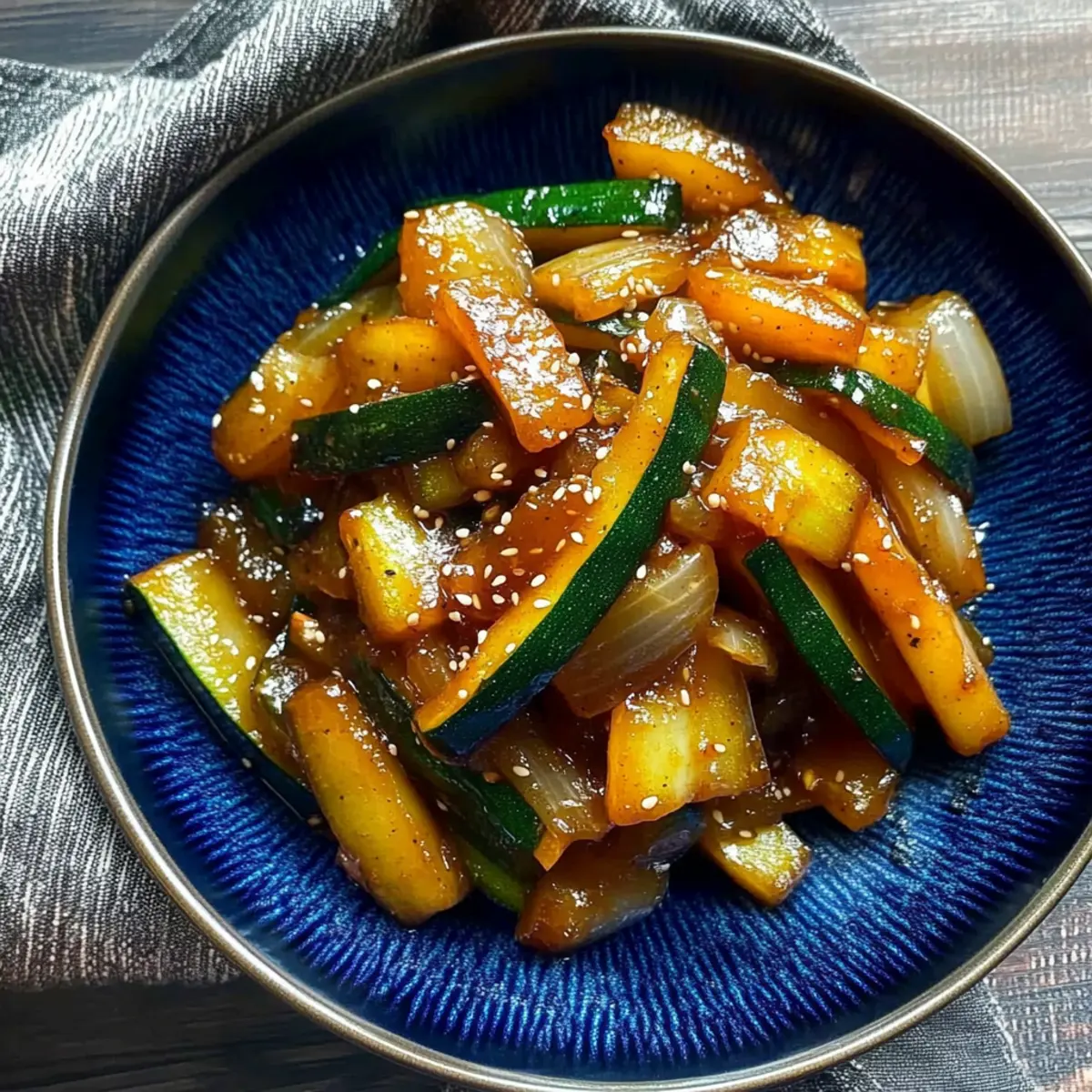
Continue to cook the mixture for another 1-2 minutes, stirring occasionally until the vegetables are tender yet still crisp and well-coated with sauce. You’ll know your dish is ready when the zucchini is glistening and the onions are caramelized. Serve warm as a delightful side!
Hibachi Vegetables: Embrace Customization
Feeling inspired to make this recipe your own? Let’s explore some fun ways to modify these flavorful hibachi vegetables!
-
Colorful Bell Peppers: Add vibrant red, yellow, or green bell peppers for a sweet crunch. They not only enhance your meal visually but also bring extra nutrients to the table.
-
Mushroom Medley: Include shiitake or button mushrooms for an earthy flavor. Their meaty texture perfectly complements the sautéed zucchini and onions, creating a hearty addition to this simple side.
-
Spicy Sriracha Drizzle: If you enjoy some heat, a drizzle of sriracha over the finished dish will add a zesty kick. Just a little will elevate the flavor profile and excite your taste buds!
-
Crunchy Cashews: Toss in some roasted cashews at the end for extra crunch. They add a delightful nutty flavor and turn this vegetable side into a crowd-pleasing dish.
-
Garlic Infusion: Sauté minced garlic with the onions for an irresistible aroma. The fragrant garlic adds a depth of flavor that complements the dish beautifully.
-
Asparagus Alternative: Swap out zucchini for tender asparagus. Its unique flavor will lend a fresh twist to the dish while still being quick to prepare.
-
Sweet Corn Addition: For a touch of sweetness, add a handful of frozen corn during the last minute of cooking. It brings a delightful burst of flavor and color.
-
Herb Garnish: Top your hibachi vegetables with fresh cilantro or green onions just before serving. This final touch adds brightness and freshness to every bite.
You’re now ready to sprinkle your personality and preferences into this dish! As you experiment, you might discover new family favorites that keep everyone coming back for more. If you’re looking for more inspiration, don’t miss our refreshing Honey Ginger Limeade to complement your meal perfectly, or try out a zesty Watermelon Feta Salad on the side for a delightful balance!
Make Ahead Options
These Hibachi Vegetables are perfect for meal prep enthusiasts! You can slice the zucchini and onions up to 24 hours in advance, storing them in an airtight container in the refrigerator to maintain their freshness. Additionally, you can mix the sauce ingredients—soy sauce, sesame oil, sesame seeds, kosher salt, and black pepper—up to 3 days ahead of time. Keep the sauce in a separate jar for optimal flavor. When you’re ready to cook, simply sauté the prepped vegetables and pour in the sauce mixture, finishing with a quick cook to ensure the vegetables are tender and coated. This way, you’ll have delicious, restaurant-quality Hibachi Vegetables ready to impress your family with minimal effort!
Storage Tips for Hibachi Vegetables
-
Fridge: Store leftover Hibachi Vegetables in an airtight container in the refrigerator for up to 2 days. This helps maintain their texture and flavor.
-
Freezer: For longer storage, freeze the vegetables in a single layer on a baking sheet until solid, then transfer to a freezer-safe bag for up to 3 months.
-
Reheating: When ready to enjoy, reheat the vegetables in a skillet over medium heat for about 5 minutes, adding a splash of sesame oil to revive their original flavors.
-
Room Temperature: Avoid leaving Hibachi Vegetables at room temperature for more than 2 hours to ensure food safety and freshness.
What to Serve with Hibachi Vegetables
Elevate your dining experience and transform your meal into a vibrant feast with these delicious pairings!
- Teriyaki Chicken: The savory-sweet glaze perfectly complements the flavor profile of hibachi vegetables, balancing out your plate with delightful surprises.
- Steamed Rice: Fluffy rice offers a neutral base that showcases the vivid tastes of both the veggies and any protein, making every bite satisfying.
- Grilled Shrimp Skewers: Their smoky flavor enhances the freshness of the sautéed veggies, delivering an irresistible coastal vibe to your meal.
- Crispy Tofu: A protein-packed vegetarian option that absorbs the savory sauce beautifully, bringing texture and heartiness to accompany the crisp vegetables.
- Miso Soup: This warm, umami-rich soup provides a soothing counterpart to the vibrant hibachi vegetables, making it the perfect starter.
- Cucumber Salad: A refreshing, crunchy counterpoint with a tangy dressing brings a lightness to your meal, creating a well-rounded dining experience.
- Sake or Green Tea: A sip of chilled sake or a warm cup of green tea will perfectly accompany the flavors of hibachi, enhancing the Asian dining experience.
- Pineapple Sorbet: Cooling and refreshing, this fruity dessert rounds out the meal beautifully, serving as a sweet finale to your feast.
Expert Tips for Hibachi Vegetables
-
Cut Uniformly: Ensure all vegetables are chopped into similar sizes. This ensures even cooking and that each piece reaches that perfect hibachi texture.
-
Avoid Overcrowding: Cook in batches if necessary. Overcrowding the pan can steam the veggies instead of searing them, preventing that delicious golden color.
-
High Heat Is Key: Maintain medium-high heat throughout the cooking process. A hotter skillet enhances the flavors and gives you that coveted hibachi char without burning.
-
Searing Technique: Let the vegetables brown undisturbed for a couple of minutes before stirring. This allows for that beautiful sear and deeper flavor in your Hibachi Vegetables.
-
Seasoning to Taste: Always taste and adjust salt and pepper towards the end. It’s easier to add seasoning than to take it away!
Hibachi Vegetables Recipe FAQs
What should I look for when selecting zucchini for this recipe?
Absolutely! When selecting zucchini, look for firm, vibrant green specimens that are free of blemishes or dark spots. Smaller zucchinis (6-8 inches) are often sweeter and have a better texture for cooking. If you’re substituting with yellow squash, choose similarly sized and firm options for the best results.
How should I store leftover Hibachi Vegetables?
For the best flavor and texture, store leftover Hibachi Vegetables in an airtight container in the refrigerator. They can last up to 2 days. Just ensure they are cooled to room temperature before sealing to avoid excess moisture. When you’re ready to enjoy them again, simply reheat in a skillet for about 5 minutes to bring back their delightful taste.
Can I freeze Hibachi Vegetables, and if so, how?
Yes, you can freeze Hibachi Vegetables! To do this, first, sauté them as directed, then allow them to cool completely. Spread the vegetables in a single layer on a baking sheet and freeze until solid, which usually takes about 1-2 hours. Once frozen, transfer them to a freezer-safe bag, labeling with the date, and they can last for up to 3 months. To reheat, just sauté in a hot skillet for about 5 minutes after thawing.
What if my vegetables become mushy while cooking?
Very! If your vegetables turn mushy, it could be due to overcrowding the skillet, which steams rather than sears them. For a good sear, make sure your skillet isn’t overcrowded and maintain medium-high heat throughout cooking. If they do become too soft, consider using them in soups or sauces where texture is less critical.
Are Hibachi Vegetables suitable for a vegetarian or vegan diet?
Absolutely! This Hibachi Vegetables recipe is vegetarian and can easily be made vegan by ensuring you’re using a plant-based soy sauce and sesame oil. It’s rich in vitamins and perfect for anyone looking to enjoy a nutritious meal without meat. Just make sure to check the ingredients for any additives if you’re following a strict vegan diet.
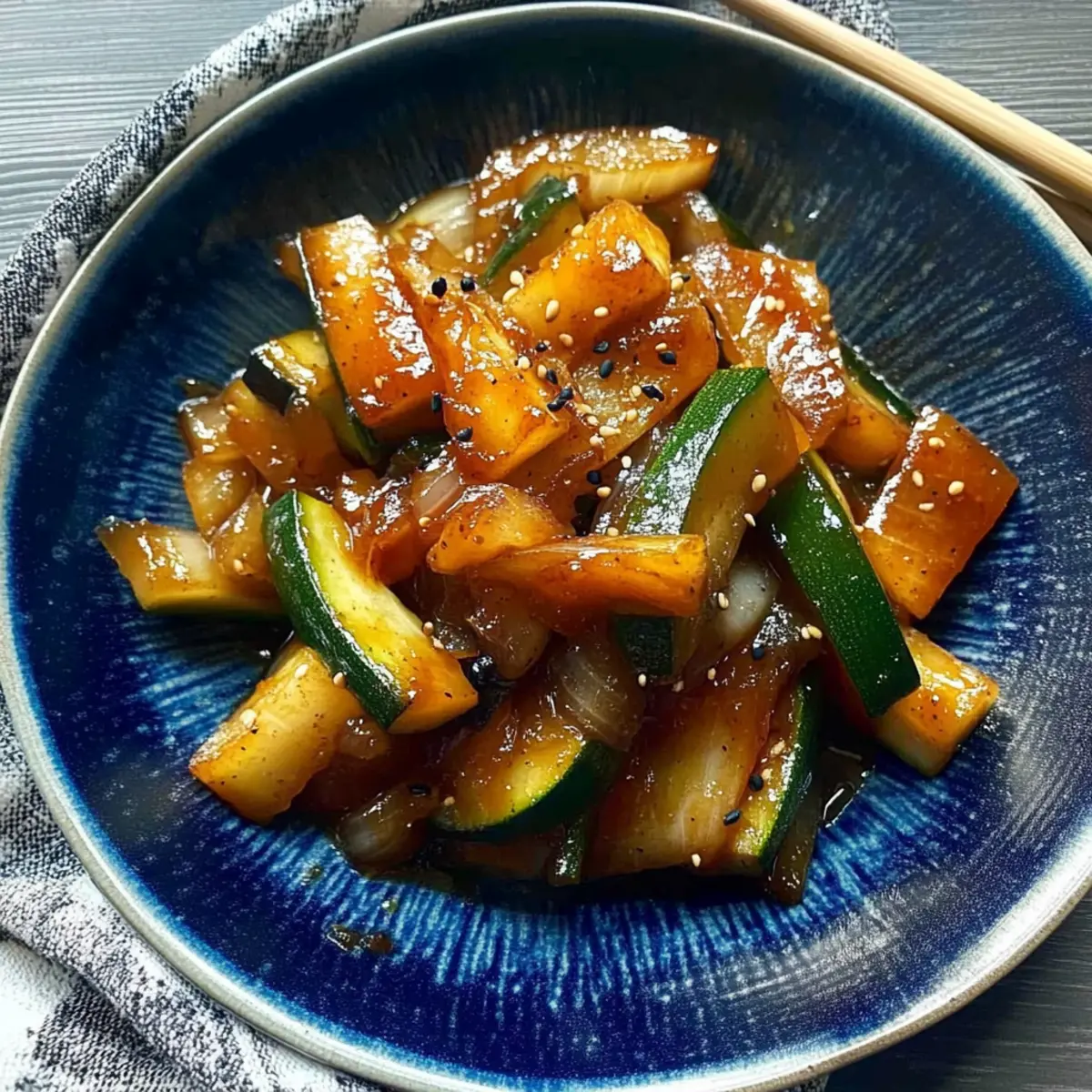
Irresistible Hibachi Vegetables Ready in Just 15 Minutes
Ingredients
Equipment
Method
- Preheat a large skillet over medium-high heat and pour in 1 tablespoon of sesame oil, heating until it shimmers.
- Add sliced medium onions to the skillet and sauté for approximately 3 minutes until softened.
- Introduce freshly cut zucchini sticks to the skillet and cook for an additional 4-5 minutes.
- Pour in the second tablespoon of sesame oil, soy sauce, sesame seeds, kosher salt, and black pepper. Mix thoroughly.
- Continue to cook for another 1-2 minutes until the vegetables are tender yet crisp and well-coated with sauce.
Leave a Reply