
As I stood at the market, a vibrant world of colors and scents washed over me—fresh herbs, exotic spices, and the zesty allure of lemongrass inviting me deeper into the heart of Vietnamese cuisine. That’s when I decided to bring home the ingredients for a dish that never fails to impress: Vietnamese Lemongrass Chicken. This aromatic delight is not only bursting with flavors but also a fantastic option for a quick weeknight dinner or a flavorful centerpiece for your next gathering. With its savory hints of garlic and ginger, and the tender, charred chicken, it’s an experience that beckons every home chef to explore Southeast Asian flavors from the comfort of their kitchen. Ready to embark on this flavorful journey with me? Let’s dive in!
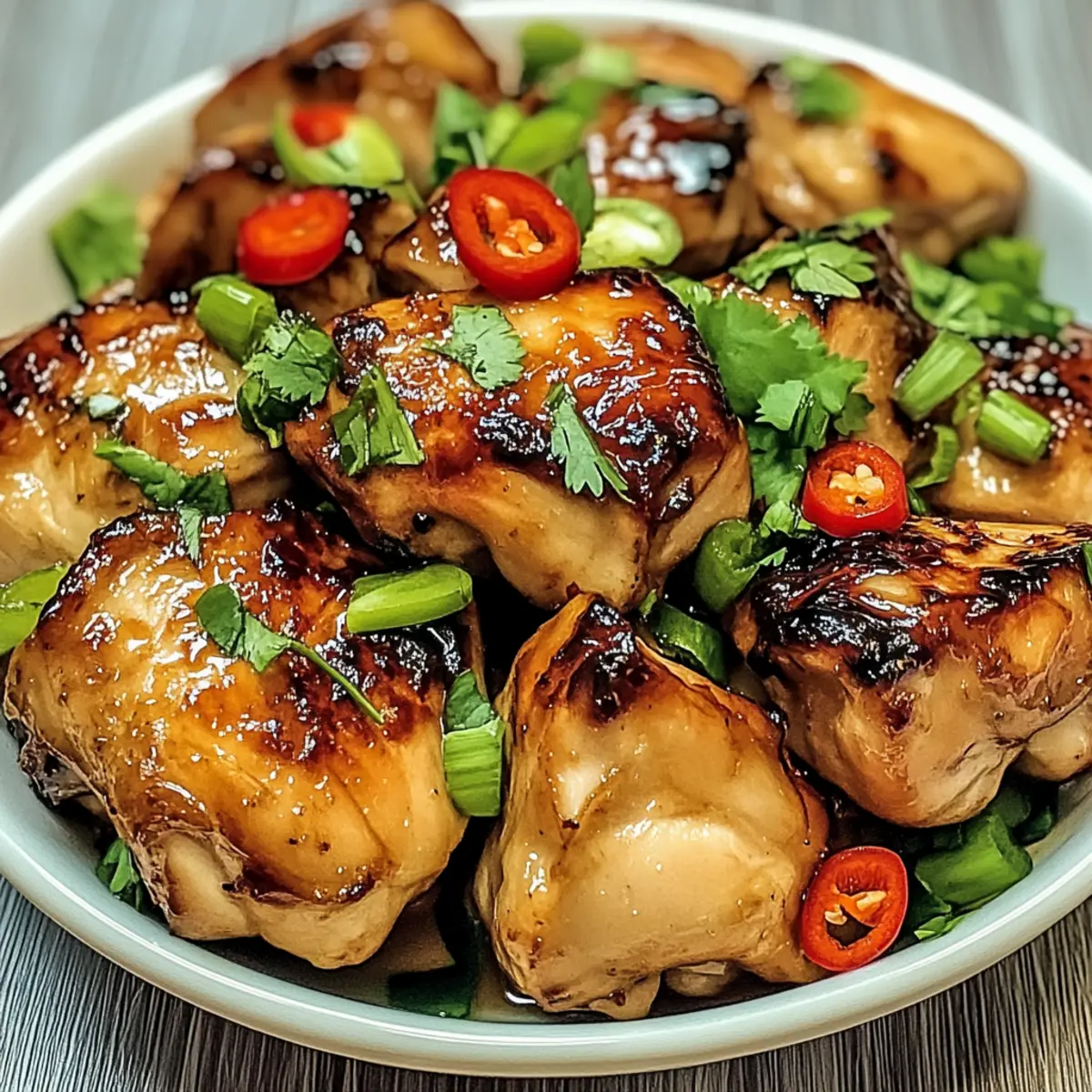
Why is Vietnamese Lemongrass Chicken a Must-Try?
Unforgettable flavors: This dish showcases the perfect balance of aromatic lemongrass, garlic, and ginger for an explosion of taste.
Quick to prepare: With a marinade that enhances the chicken beautifully, you can have this delightful meal ready in no time.
Versatile serving options: Pair it with jasmine rice, fresh herb salad, or even use it in a banh mi for a delightful twist.
Crowd-pleaser: Whether for a family dinner or a gathering with friends, this dish is guaranteed to impress.
Healthy and light: Enjoy a satisfying meal that is rich in flavor yet remains low in carbs at about 250-300 calories per serving!
Make-ahead friendly: Marinate a day in advance to save time and intensify the flavors. You’ll love how easy it is!
Vietnamese Lemongrass Chicken Ingredients
For the Chicken
• Chicken – a tender protein that absorbs the aromatic marinade perfectly.
For the Marinade
• Lemongrass – this aromatic herb infuses a bright, zesty flavor; if needed, you can substitute it with lemon zest.
• Garlic – adds rich depth; for the most potent flavor, use fresh garlic.
• Ginger – brings warmth and spice to the dish; fresh ginger is ideal, but powdered ginger works too.
• Fish Sauce – essential for that umami kick; consider soy sauce as a fish-free alternative.
• Chili (optional) – adds a kick of heat; adjust based on how spicy you like your Vietnamese Lemongrass Chicken.
• Sugar – balances the flavors beautifully; honey or brown sugar can serve as great substitutes.
• Vegetable Oil – used for marinating and cooking; sesame oil can enhance the flavor if desired.
Step‑by‑Step Instructions for Vietnamese Lemongrass Chicken
Step 1: Prepare the Marinade
In a mixing bowl, combine finely chopped lemongrass, minced garlic, grated ginger, fish sauce, sugar, and vegetable oil. Stir well until the mixture is smooth and all ingredients are evenly blended. This aromatic marinade will infuse the chicken with vibrant flavors, so take your time to ensure everything is mixed thoroughly.
Step 2: Marinate Chicken
Add the chicken to the marinade, ensuring each piece is well coated in the mixture. Cover the bowl with plastic wrap and refrigerate for at least 30 minutes—though 1-2 hours is ideal to allow the flavors to penetrate the meat deeply. You’ll know it’s ready when the chicken is soaked with zesty aroma and color.
Step 3: Preheat Cooking Surface
Before cooking the Vietnamese Lemongrass Chicken, preheat your grill or a non-stick skillet over medium-high heat. Allow about 5-10 minutes for the surface to become hot enough, indicated by a slightly shimmering sheen if using a skillet. Proper heat is crucial for achieving a beautiful sear and char on the chicken.
Step 4: Cook Chicken
Carefully place the marinated chicken on the grill or in the hot skillet. Sear each side for about 6-8 minutes, until the chicken is opaque and nicely browned with charred edges. Use tongs to flip the chicken halfway through cooking, ensuring even browning. This step should fill your kitchen with the delightful scent of lemongrass.
Step 5: Check for Doneness
As the cooking time nears completion, check the internal temperature of the chicken with a meat thermometer. It should reach 165°F for safe consumption. If it’s not done yet, give it a few more minutes while monitoring closely to prevent overcooking, which could dry out your Vietnamese Lemongrass Chicken.
Step 6: Rest and Serve
Once cooked, remove the chicken from the heat and let it rest for about 5 minutes on a cutting board. This resting period allows the juices to redistribute, resulting in tender meat. Afterward, slice the chicken into strips and serve it warm alongside steamed rice or your choice of side dishes to enjoy the full burst of flavors.
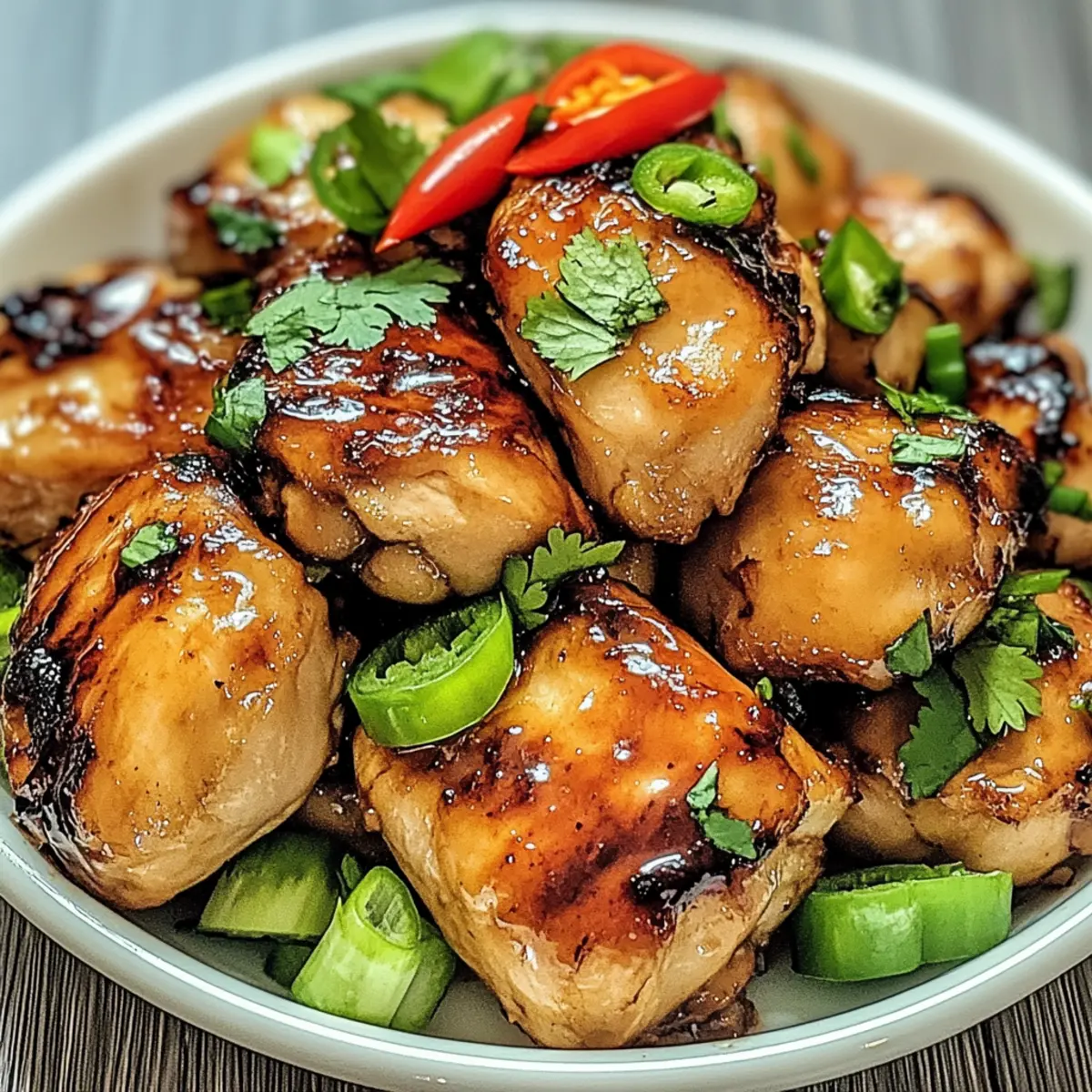
Vietnamese Lemongrass Chicken Variations
Feel free to get creative and customize your Vietnamese Lemongrass Chicken to match your taste preferences!
- Jasmine Rice: Swap out regular rice for jasmine rice to infuse fragrant notes that complement the dish beautifully.
- Herb Salad: Serve alongside a fresh herb salad for a burst of vibrant flavors; the herbs add brightness and balance to the meal.
- Banh Mi Twist: Use the chicken as a filling in a banh mi sandwich for a scrumptious and portable meal that’s full of flavor.
- Heat Level: Adjust the amount of chili based on your spice preference—more chile for the brave, less for a milder taste!
- Sesame Oil: Substitute vegetable oil with sesame oil when cooking for an added depth of flavor that enhances the dish’s richness.
- Roasted Veggies: Incorporate roasted vegetables into the dish for a hearty twist; the caramelized veggies enhance the overall flavor profile.
- Coconut Rice: Serve the chicken over coconut rice for a tropical touch that pairs wonderfully with the aromatic flavors of lemongrass.
- Ginger Boost: For an extra zing, increase the ginger quantity in the marinade; the added warmth will elevate the dish to new heights.
For more exciting ideas, you might enjoy inspired recipes like Buffalo Chicken Bacon or a cozy Crack Chicken Noodle to expand your culinary adventures!
Expert Tips for Vietnamese Lemongrass Chicken
-
Marinate Longer: Allowing the chicken to marinate overnight boosts the flavors significantly. Shorter marinating times will yield less potent flavor.
-
Use Fresh Ingredients: Fresh lemongrass, garlic, and ginger provide the best taste. Dried alternatives might not deliver the same aromatic punch in your Vietnamese Lemongrass Chicken.
-
Monitor Cooking Temperature: Ensure your grill or pan is hot enough before adding the chicken. A properly heated surface helps achieve a nice char and prevents sticking.
-
Check Doneness Carefully: Avoid overcooking by using a meat thermometer. The ideal internal temperature for chicken is 165°F for juicy, tender results.
-
Customize Spice Levels: Adjust the amount of chili based on your heat preference. Remember, you can always add more, but it’s hard to tone down the spice once added!
-
Sides Matter: Pair your chicken with fresh herb salad or jasmine rice for a complete and delightful Vietnamese meal. Enjoy the balance of flavors!
How to Store and Freeze Vietnamese Lemongrass Chicken
Fridge: Store cooked Vietnamese Lemongrass Chicken in an airtight container for up to 3 days to keep it fresh and flavorful.
Freezer: For longer storage, freeze the chicken in freezer-safe bags for up to 2 months. Make sure to remove as much air as possible to prevent freezer burn.
Reheating: Thaw frozen chicken overnight in the fridge before reheating. Microwave or heat in a pan over medium heat until warmed through, ensuring it reaches an internal temperature of 165°F.
Marinade Storage: If you have leftover marinade, it can be stored in the fridge for up to 1 week. Just remember not to reuse it for marinating raw meat to avoid cross-contamination.
Make Ahead Options
These Vietnamese Lemongrass Chicken preparations are perfect for busy home cooks looking to save time! You can prepare the marinade up to 24 hours in advance by mixing together the lemongrass, garlic, ginger, fish sauce, sugar, and vegetable oil in a bowl. Once mixed, marinate your chicken in the mixture, ensuring each piece is well coated, and store it in the refrigerator for up to 3 days prior to cooking. When you’re ready to serve, simply grill or sear the marinated chicken as instructed for delicious, restaurant-quality results with minimal effort. Remember, letting the chicken marinate overnight will intensify those vibrant flavors, making your meal just as delightful as if cooked fresh!
What to Serve with Vietnamese Lemongrass Chicken
Dive into the world of flavors by pairing this aromatic chicken dish with some delightful accompaniments that elevate the entire meal experience.
-
Steamed Jasmine Rice: Light and fluffy, jasmine rice perfectly absorbs the savory sauce, creating a delightful harmony with the chicken’s flavors.
-
Fresh Herb Salad: A burst of freshness with cucumber, mint, and cilantro adds a vibrant, zesty contrast that complements the savory notes of the chicken.
-
Pickled Vegetables: Sweet and tangy, pickled carrots and daikon provide a crunch that cuts through the richness, balancing the dish beautifully.
-
Coconut Rice: Sweet, creamy, and fragrant, coconut rice enhances the dish with an exotic touch that pairs seamlessly with the lemongrass.
-
Roasted Vegetables: Charred seasonal veggies bring in earthy flavors, creating a colorful, nutritious side that rounds out the meal excellently.
-
Chilled Vietnamese Iced Coffee: For a refreshing drink, try this strong coffee with sweetened condensed milk; it perfectly complements the dish and cleanses the palate.
-
Tropical Fruit Platter: Finish off the meal with a vibrant mix of mango, pineapple, and papaya for a refreshing, sweet contrast that leaves a lasting impression.
Whether you’re savoring the good company of friends or simply enjoying a cozy dinner at home, these pairings will undoubtedly elevate your Vietnamese Lemongrass Chicken experience.
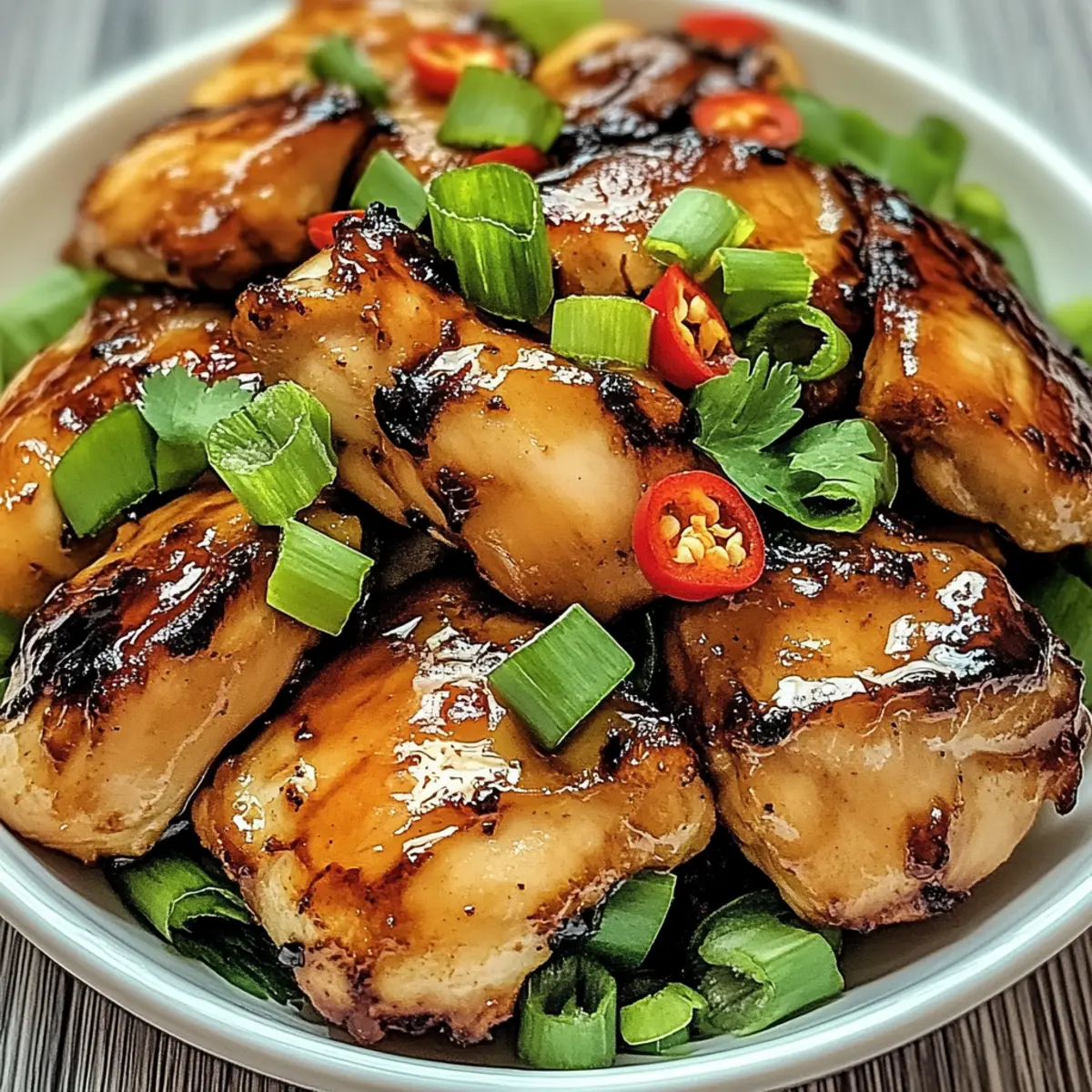
Vietnamese Lemongrass Chicken Recipe FAQs
What type of lemongrass should I use for Vietnamese Lemongrass Chicken?
I recommend using fresh lemongrass for the best flavor profile! Look for stalks that are firm and bright green, avoiding any that have dark spots or are overly wilted. If you can’t find fresh lemongrass, lemon zest can serve as a quick substitute, though it won’t fully replicate the unique flavor.
How should I store leftover Vietnamese Lemongrass Chicken?
Store cooked Vietnamese Lemongrass Chicken in an airtight container in the refrigerator for up to 3 days. To retain its juicy texture, make sure to let it cool before sealing. It’s great for a quick lunch or dinner later in the week!
Can I freeze Vietnamese Lemongrass Chicken?
Absolutely! For long-term storage, you can freeze the cooked chicken in freezer-safe bags for up to 2 months. Be sure to remove as much air as possible to prevent freezer burn. When you’re ready to eat, thaw it overnight in the refrigerator before reheating.
How can I reheat the chicken while keeping it moist?
To reheat your Vietnamese Lemongrass Chicken, I suggest using a pan over medium heat. Add a splash of water or broth to the pan to create steam, which helps keep the chicken moist. Heat until it reaches an internal temperature of 165°F, ensuring it’s safe to enjoy without losing its delicious texture.
Can I use chicken thighs instead of breasts for this recipe?
Very much so! Chicken thighs are a wonderful choice for Vietnamese Lemongrass Chicken. They tend to stay moister and have a richer flavor compared to chicken breasts. Just be sure to adjust the cooking time slightly, as thighs may take a few extra minutes to cook through.
Are there any dietary considerations for the ingredients?
Definitely, it’s always good to be mindful! The fish sauce is essential for authentic flavor but can be swapped for soy sauce to accommodate those avoiding fish. Additionally, ensure your vegetable oil choice aligns with your dietary needs; for a nut-free option, stick to canola or vegetable oil!
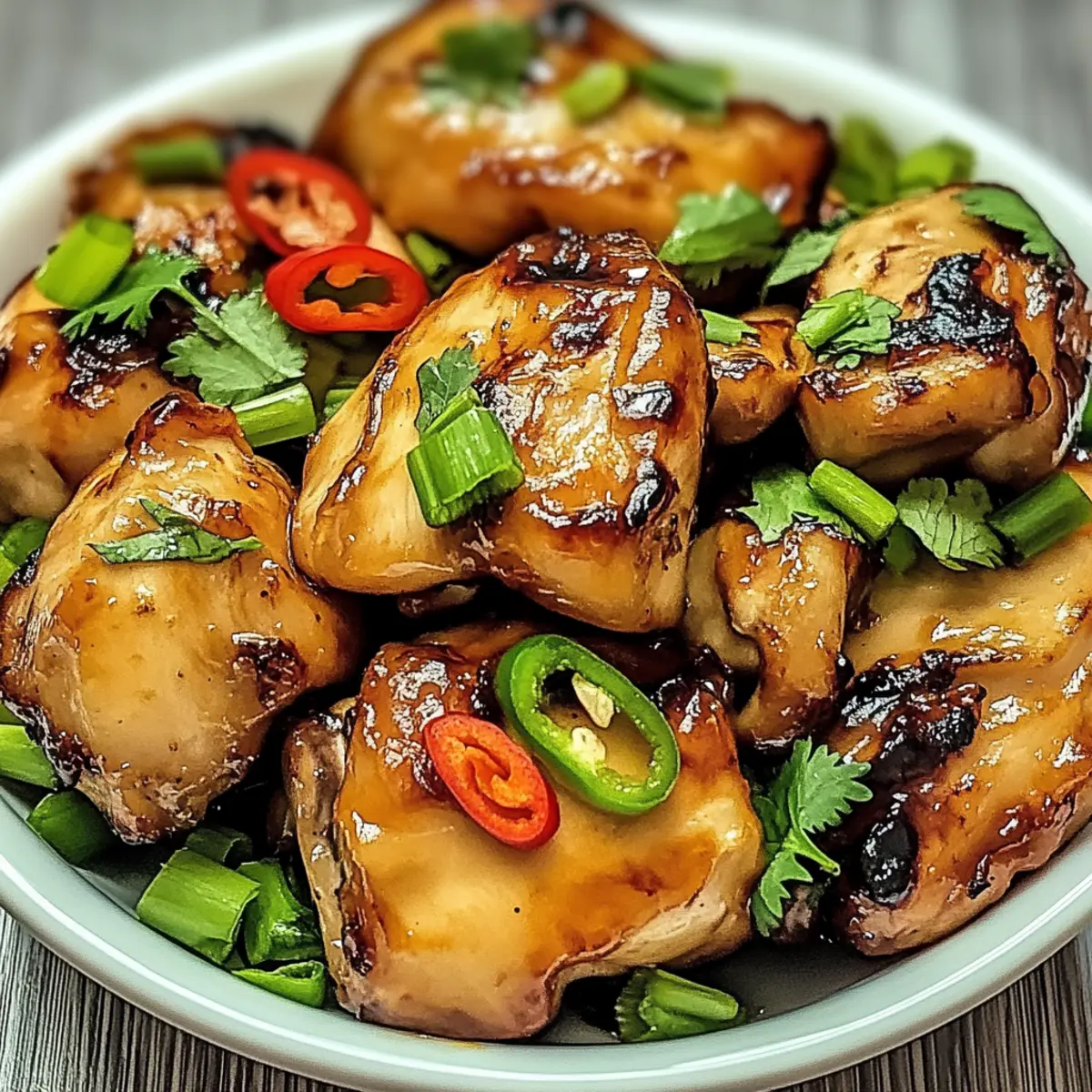
Irresistible Vietnamese Lemongrass Chicken for Flavor Lovers
Ingredients
Equipment
Method
- In a mixing bowl, combine finely chopped lemongrass, minced garlic, grated ginger, fish sauce, sugar, and vegetable oil. Stir well until the mixture is smooth and all ingredients are evenly blended.
- Add the chicken to the marinade, ensuring each piece is well coated in the mixture. Cover the bowl with plastic wrap and refrigerate for at least 30 minutes.
- Before cooking, preheat your grill or a non-stick skillet over medium-high heat.
- Carefully place the marinated chicken on the grill or in the hot skillet. Sear each side for about 6-8 minutes, until the chicken is opaque and browned.
- Check the internal temperature of the chicken with a meat thermometer. It should reach 165°F.
- Once cooked, remove the chicken from the heat and let it rest for about 5 minutes before slicing and serving.
Leave a Reply